


Now Reading: What’s the Secret to Making Cafe-Style Lattes at Home?
-
01
What’s the Secret to Making Cafe-Style Lattes at Home?
What’s the Secret to Making Cafe-Style Lattes at Home?


There’s something special about walking into a coffee shop, inhaling that rich aroma, and sipping a perfectly balanced latte. Creamy milk, smooth espresso, and a touch of art on top make it feel like a tiny luxury in your day. But here’s the secret: you don’t need a fancy cafe or expensive equipment to enjoy cafe-style lattes at home. With a few simple tricks, the right ingredients, and a little technique, you can recreate that barista-quality experience right in your kitchen.
In this article, I’ll guide you through the essentials for making smooth, creamy, perfectly balanced lattes. From choosing the right coffee to frothing milk like a pro, I’ll share the steps and tips that turn an ordinary cup of coffee into a cafe-worthy treat.
1. Start With High-Quality Coffee
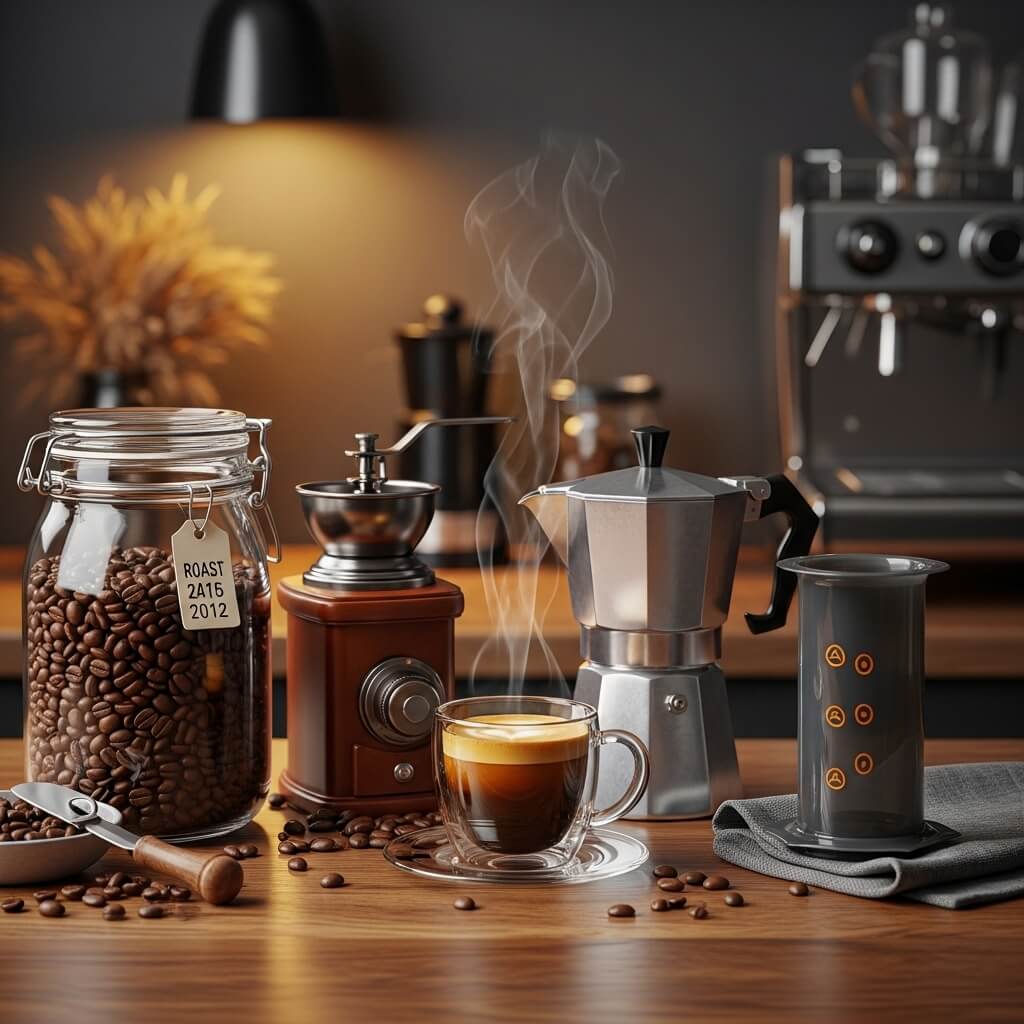
The foundation of any great latte is coffee. If your espresso isn’t flavorful, your latte won’t be either. Here’s what you need to know:
✔ Choose Freshly Roasted Beans
Coffee loses its flavor quickly after roasting. For the best results, use beans roasted within the last 2–3 weeks. Look for local roasters or trusted brands that specify roast dates.
✔ Grind Just Before Brewing
Grinding coffee exposes it to air, which can dull the flavor. Grind your beans immediately before brewing. For espresso, use a fine, consistent grind for optimal extraction.
✔ Use the Right Brewing Method
For cafe-style lattes, a strong, concentrated coffee works best. You can use:
- Espresso machine: Classic, strong, and creamy espresso.
- Moka pot: Affordable alternative for a concentrated coffee base.
- AeroPress: Can produce espresso-like coffee if used with the inverted method.
2. Milk Selection Matters
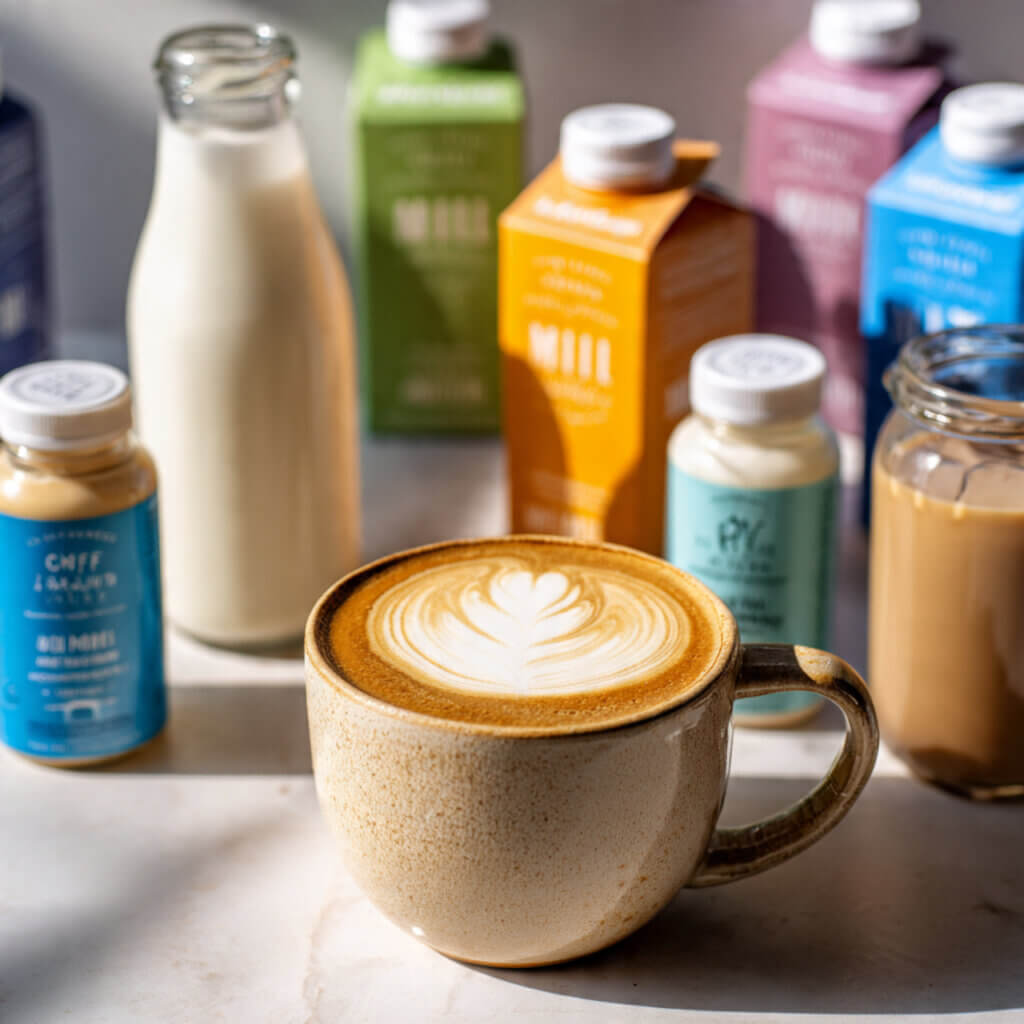
The milk you choose affects the texture, sweetness, and foam of your latte. Here’s how to pick the best one:
✔ Whole Milk for Creaminess
Whole milk produces the richest, creamiest latte foam. Its natural fat helps create a smooth, silky texture.
✔ Alternatives for Dairy-Free Lattes
Almond, oat, or soy milk can work well. Look for barista versions of plant-based milk — they are specifically formulated to froth and create a creamy foam.
✔ Cold Milk is Key
Cold milk froths better and produces a more stable foam. Keep your milk in the fridge until you’re ready to use it.
3. Frothing Milk Like a Barista
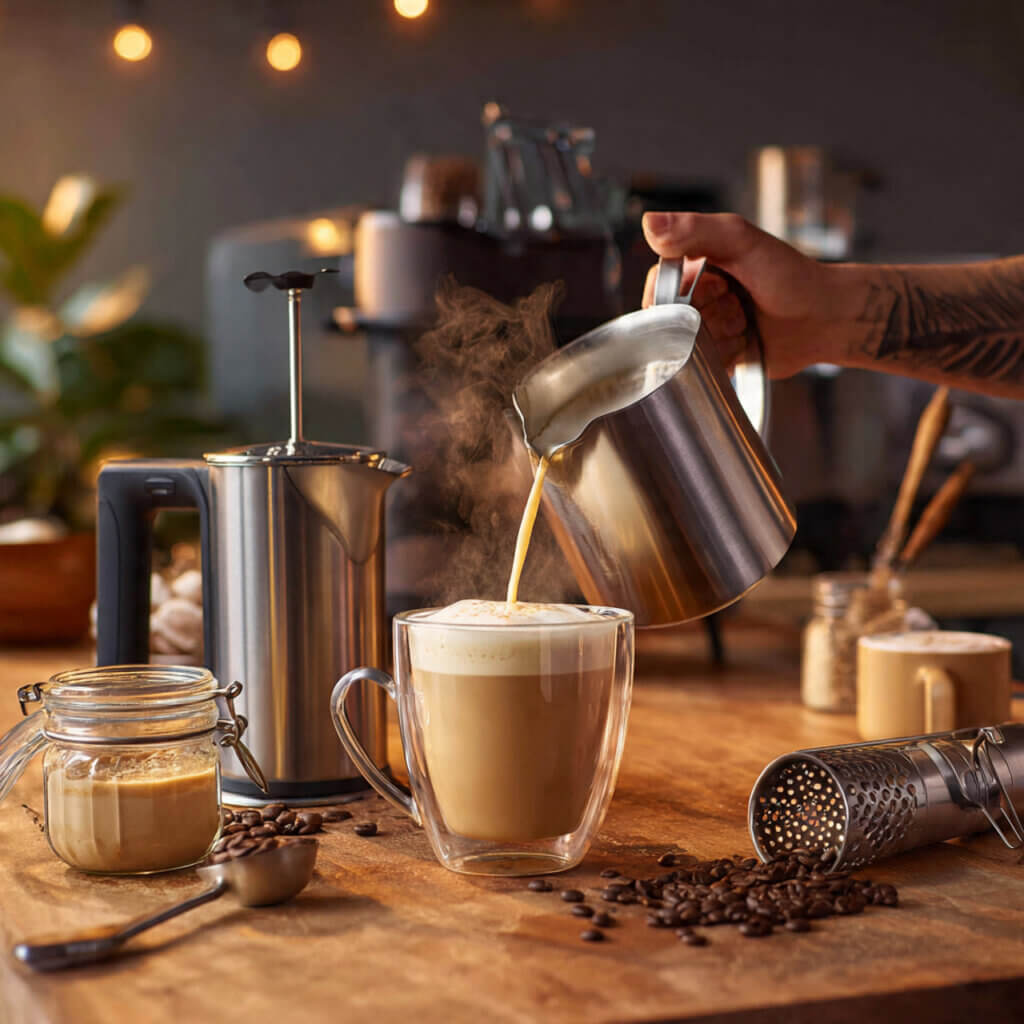
Frothing milk is what separates a regular coffee from a cafe-style latte. There are several ways to do it at home:
✔ Using an Espresso Machine
Most machines come with a steam wand. Submerge the tip just below the surface of the milk and turn on the steam. Move the pitcher in a circular motion to create microfoam — fine bubbles that make milk silky and creamy.
✔ Without a Steam Wand
No espresso machine? No problem. You can still froth milk with:
- Handheld milk frother: Affordable, easy to use, produces good foam.
- French press: Heat the milk, then pump the plunger vigorously to create foam.
- Jar method: Heat milk, pour into a jar, and shake vigorously for 30–60 seconds.
✔ Microfoam is the Goal
The secret to cafe-style texture is microfoam — smooth, velvety milk with tiny bubbles. Avoid large, airy bubbles, which can make the latte feel dry or foamy instead of creamy.
4. Temperature Control
Temperature plays a huge role in latte quality. Milk should be heated to 140–155°F (60–68°C). Overheated milk tastes burnt and can separate, while underheated milk can taste cold and thin.
Espresso should be brewed at 190–205°F (88–96°C). Using a thermometer helps if you want precise control, but a bit of practice with your machine or stove also works.
5. The Pouring Technique
The way you pour milk into espresso affects both taste and presentation:
✔ Start With the Base
Pour milk slowly into the espresso to combine the liquids. Hold back the foam initially, letting the milk mix with the coffee.
✔ Finish With Foam
Once the milk is integrated, add a little foam on top. For cafe-style lattes, you want a thin layer of foam, just enough to create texture without overpowering the coffee.
✔ Optional Latte Art
If you’re feeling fancy, try simple latte art. Start with a steady pour, move the pitcher in small motions, and finish with a design. Even if you’re not perfect, it makes the drink feel special.
6. Sweeteners and Flavorings
Cafe-style lattes often have a hint of sweetness or flavor. You can experiment with:
- Simple syrup: Dissolves easily into hot coffee.
- Honey or maple syrup: Adds natural sweetness.
- Vanilla extract: A few drops can enhance flavor without overpowering coffee.
- Cinnamon or cocoa powder: Light sprinkle on top adds aroma and taste.
Pro tip: Add sweeteners to espresso first, so they mix evenly before adding milk.
7. Choosing the Right Mug or Cup

It might sound small, but your cup matters. Wide-mouthed cups give foam more room to spread, letting you see the texture and enjoy the aroma. A 6–8 oz cup is ideal for a classic latte.
8. Common Mistakes to Avoid
Even with the best ingredients, mistakes can ruin a latte. Watch out for:
❌ Overheating Milk
Burnt milk tastes bitter and destroys the creamy texture.
❌ Using Cold Espresso
If the coffee isn’t hot, the latte will cool down too fast, affecting taste and foam.
❌ Skipping Frothing
Froth adds body and mouthfeel. No froth = no cafe-style experience.
❌ Large Air Bubbles
Too much foam makes the latte feel airy and weak. Aim for smooth microfoam.
9. Extra Tips for Home Baristas
Download below infographic for future use
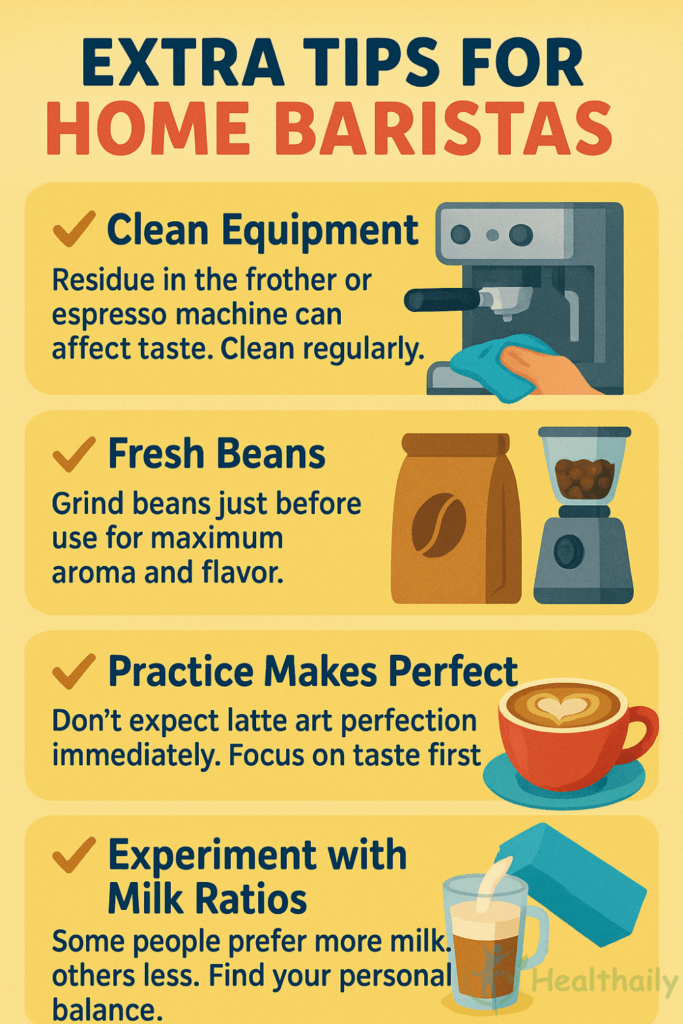
✔ Clean Equipment
Residue in the frother or espresso machine can affect taste. Clean regularly.
✔ Fresh Beans
Grind beans just before use for maximum aroma and flavor.
✔ Practice Makes Perfect
Don’t expect latte art perfection immediately. Focus on taste first.
✔ Experiment with Milk Ratios
Some people prefer more milk, others less. Find your personal balance.
10. Quick Cafe-Style Latte Recipe at Home
Ingredients:
- 1 shot of espresso (or ¼ cup strong coffee)
- ¾ cup whole milk (or barista-style plant milk)
- Optional: 1 tsp vanilla syrup or honey
Instructions:
- Brew espresso and pour into your cup.
- Heat milk to 140–155°F.
- Froth milk to create microfoam.
- Pour milk into espresso slowly, holding back foam.
- Spoon foam on top.
- Sprinkle cinnamon or cocoa if desired.
- Enjoy immediately for best taste.
11. Why Home Lattes Can Be Better Than Cafe Lattes
Making lattes at home lets you:
- Customize sweetness and milk type
- Control caffeine levels
- Save money on daily coffee runs
- Experiment with flavors like vanilla, caramel, or chai
- Enjoy fresh, warm drinks anytime
With the tips above, your home latte can be just as creamy, flavorful, and beautiful as the ones at your favorite coffee shop.
Final Thoughts
The secret to cafe-style lattes at home isn’t just the coffee. It’s a combination of:
- High-quality espresso
- Properly frothed milk
- Temperature control
- Careful pouring
- Optional flavor enhancements
Master these steps, and you’ll enjoy creamy, smooth, delicious lattes without leaving your kitchen. With a little practice, your friends and family might start asking for their morning coffee exclusively from you.
Enjoy the aroma, savor the taste, and treat every latte like a small luxury you created yourself. Home barista life is now officially possible — and it’s delicious.
Related Posts

Stay Informed With the Latest & Most Important News
Previous Post
Next Post








Advertisement


Advertisement

-
 0112 Viral TikTok Desserts You Must Try at Home
 -
 027 Coffee Recipes Every Coffee Lover Needs to Try in 2025
 -
 037 Easy Homemade Coffee Drinks That Taste Better Than Starbucks
 -
 04Which Dessert Freezes the Best for Busy Weeks?
 -
 05What’s the Secret to Making the Creamiest Cheesecake Ever?
 -
 06No-Bake Desserts You Can Make in 10 Minutes or Less
 -
 07What Dessert Should You Bring to a Potluck? (Easy Answers!)