

Now Reading: Brewing Perfection: The Art and Science of Gourmet Coffee
-
01
Brewing Perfection: The Art and Science of Gourmet Coffee
Brewing Perfection: The Art and Science of Gourmet Coffee

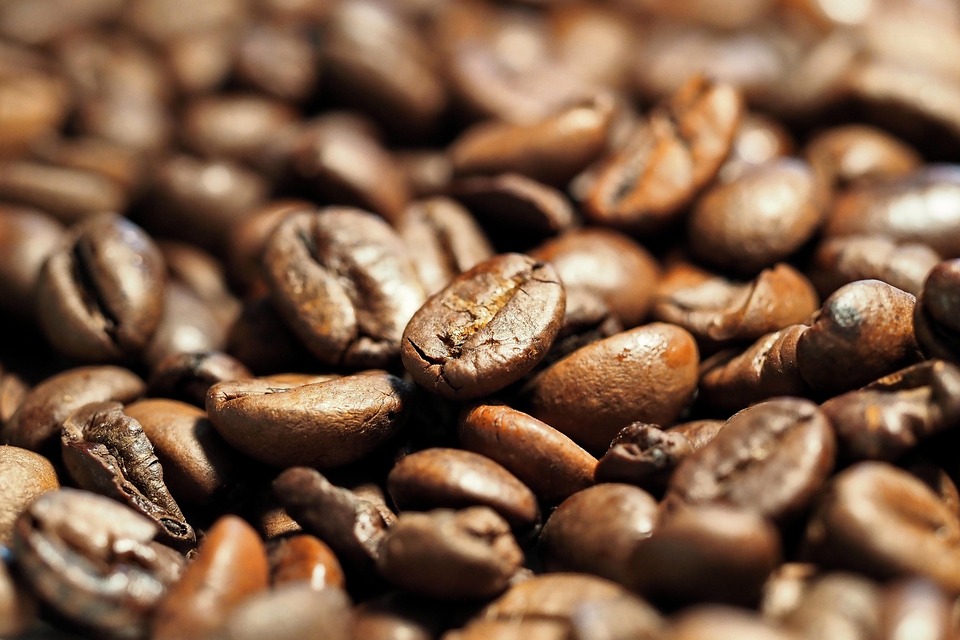
[ad_1]
In an age where specialty coffee shops are ubiquitous and instant coffee no longer reigns supreme, brewing gourmet coffee has become an art form. From selecting the right beans to mastering brewing techniques, the process is steeped in both tradition and innovation. This article delves into the intricate world of coffee, highlighting the methods and science that underpin brewing perfection.
The Journey Begins: Coffee Bean Selection
Every great cup of coffee starts with high-quality beans. Coffee is grown in specific regions known as the “Bean Belt,” which circles the Earth between the Tropics of Cancer and Capricorn. The two primary species of coffee are Arabica and Robusta. Arabica is known for its sweet, complex flavors, while Robusta has a stronger, more bitter taste.
When selecting coffee beans, consider the following factors:
- Origin: Beans from different regions possess distinct flavor profiles.
- Freshness: Coffee tastes best within weeks of roasting. Always check roast dates.
- Processing: Methods like washed, natural, or honey can greatly influence taste.
Grinding: The Key to Flavor Release
Once you have your beans, the next step is grinding. Grinding coffee releases essential oils and aromas, which are crucial for flavor. However, the grind size must match your brewing method. For instance:
- Coarse: Best for French presses and cold brews.
- Medium: Ideal for drip coffee makers and pour-overs.
- Fine: Necessary for espresso machines.
Investing in a good burr grinder ensures a consistent grind size, which is vital for brewing even flavor extraction.
Brewing Methods: Finding Your Flavor
Brewing coffee isn’t just about the process; it’s an expression of personal taste. Here are some popular methods to explore:
1. French Press
This method uses coarsely ground coffee steeped in hot water, delivering rich, full-bodied coffee. The key is to let it steep for about four minutes, then plunge for maximum extraction.
2. Pour-Over
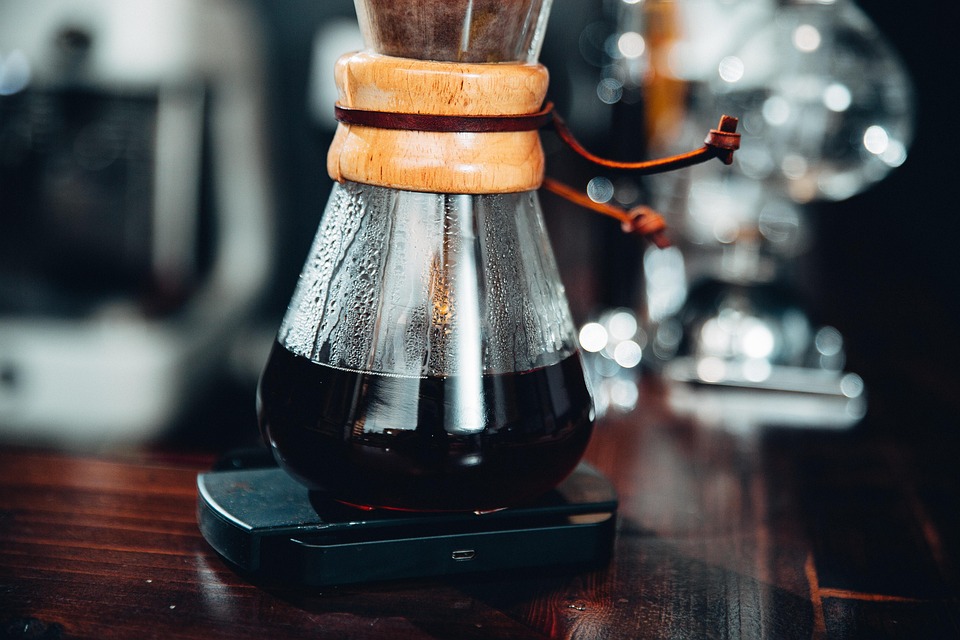
With pour-over brewing, water is poured over coffee grounds in a circular motion. This method allows for greater control over water flow and temperature, resulting in a clean and bright cup.
3. Espresso
Espresso machines force hot water through finely-ground coffee, creating a concentrated shot of coffee. Mastery of this technique involves pressure, temperature, and timing.
4. AeroPress
This portable device allows for both immersion and pressure brewing. It’s versatile and can produce espresso-like coffee, but with less acidity.
The Science of Brewing: Temperature and Water
The chemistry behind brewing coffee is as important as the art. Water temperature can significantly affect flavor extraction. The optimal range is between 195°F to 205°F (90°C to 96°C). Additionally, the quality of water matters:
- Soft water: Can lead to under-extracted coffee.
- Hard water: May result in over-extraction.
Using filtered water can ensure the best results, as it minimizes impurities that may affect flavor.
Final Touches: Milk and Sugar
For many, enhancing coffee with milk and sugar is a crucial aspect of the experience. Experiment with different types of milk (dairy, almond, oat) and sweeteners (sugar, honey, syrups) to find your ideal combination. Barista techniques such as frothing milk can also significantly elevate your coffee experience, producing velvety textures and rich flavors.
Conclusion
Brewing gourmet coffee is an intricate dance between art and science. By understanding the importance of bean selection, grinding, brewing methods, and water quality, you can create a cup of coffee that transcends the ordinary. Whether you’re a novice or a seasoned coffee enthusiast, there’s always room to explore and refine your brewing techniques. Embrace the journey of brewing perfection and savor every sip!
FAQs
1. What is the best way to store coffee beans?
Store coffee beans in an airtight container in a cool, dark place to maintain freshness. Avoid keeping them in the fridge or freezer, as moisture can adversely affect their flavor.
2. How do I know if my coffee is over-extracted?
Over-extraction typically results in a bitter taste. If your coffee tastes excessively bitter or astringent, you may be using too fine a grind or brewing for too long.
3. Can I reuse coffee grounds for brewing?
While you can technically reuse coffee grounds, the second brew will be significantly weaker in flavor. It’s best to use fresh grounds for the best cup of coffee.
4. What is the ideal coffee-to-water ratio?
A common recommendation is a 1:15 ratio of coffee to water. This means for every gram of coffee, use 15 grams of water, though personal preference may vary.
5. How can I enhance the flavor of my coffee?
Experimenting with different brewing methods, coffee bean origins, grind sizes, and enhancements like spices or flavored syrups can enrich your coffee experience.
[ad_2]
Stay Informed With the Latest & Most Important News
Previous Post
Next Post







Advertisement


Advertisement

-
 0112 Viral TikTok Desserts You Must Try at Home
 -
 027 Coffee Recipes Every Coffee Lover Needs to Try in 2025
 -
 037 Easy Homemade Coffee Drinks That Taste Better Than Starbucks
 -
 04Which Dessert Freezes the Best for Busy Weeks?
 -
 05What’s the Secret to Making the Creamiest Cheesecake Ever?
 -
 06No-Bake Desserts You Can Make in 10 Minutes or Less
 -
 07What Dessert Should You Bring to a Potluck? (Easy Answers!)