


Introduction
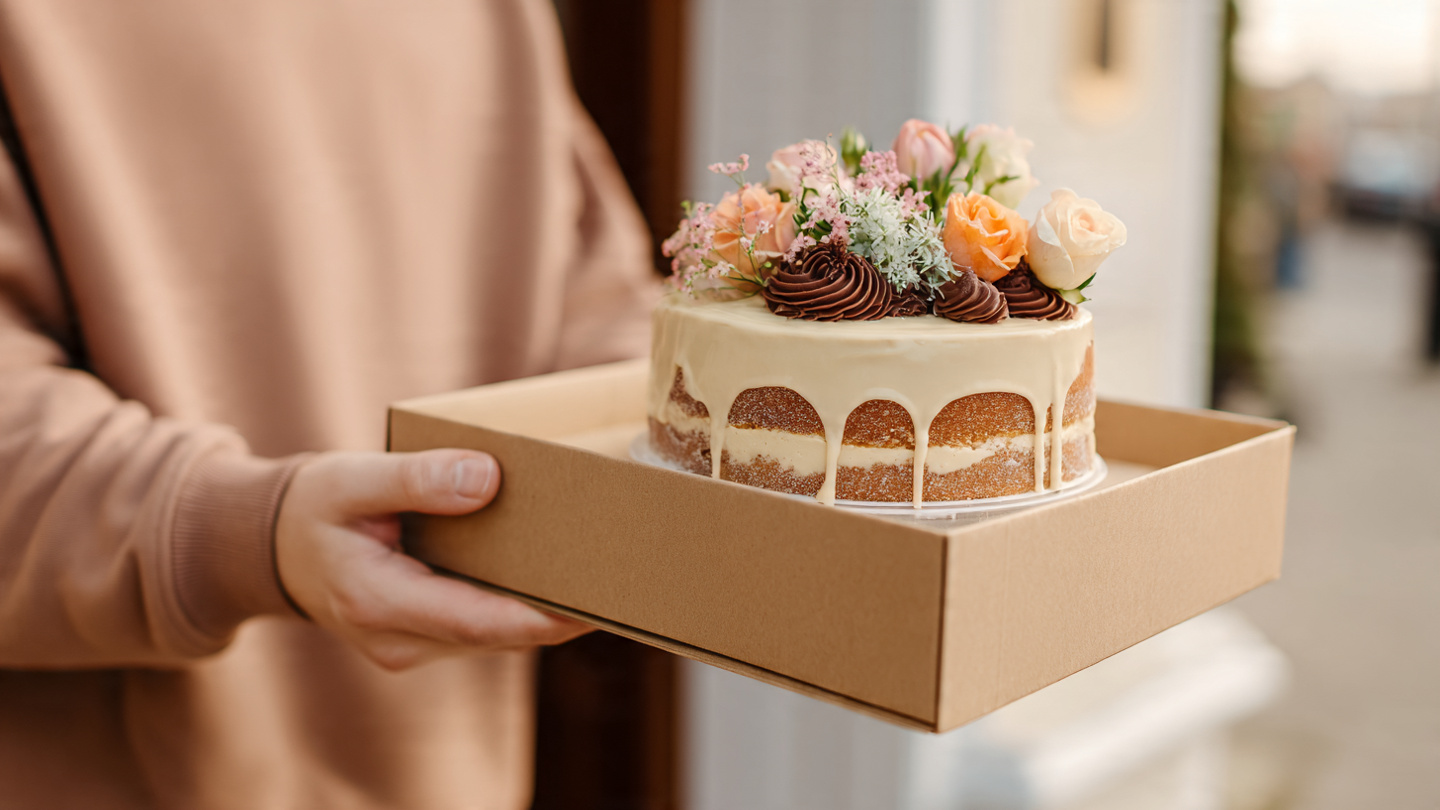
The aroma of freshly baked goods, the tantalizing sight of cakes, pastries, and cookies – these are experiences that many of us cherish. However, in today’s fast-paced world, savoring such delights has evolved significantly. The evolution of dessert delivery has transformed the way we enjoy these treats, bridging the gap between traditional bakeries and modern convenience.
Historic Roots of Bakery Deliveries
The concept of delivering freshly baked goods dates back centuries. In ancient civilizations, breads and sweets were often prepared in communal ovens, and bakers would deliver them to households. This practice was predominantly seen in towns where local bakeries played a vital role in the community.
Fast forward to the 18th and 19th centuries, the Industrial Revolution paved the way for mass production of baked goods. This era saw the rise of professional bakeries in urban centers, facilitating more organized delivery systems. Vendors would cycle or walk through neighborhoods, selling their wares directly to consumers.
The Bakery Landscape Evolves
Over the years, the landscape of bakeries shifted from small, family-run businesses to larger commercial entities. As cities expanded, bakeries began to specialize, focusing on specific types of desserts or regional specialties. The post-war baby boom era brought about a new wave of consumerism, prompting bakeries to explore delivery options as families became busier and sought convenient meal solutions.
Until the late 20th century, deliveries were usually limited to local bakeries in accessible areas. Consumers would call in orders, but the service was infrequent. The advent of technology and the internet changed everything, laying the groundwork for a more systematic approach to dessert delivery.
The Digital Age: A Game Changer
The birth of the internet and smartphones marked a new era in dessert delivery. With just a few taps, customers could browse bakeries, read reviews, and place orders for their favorite sweets. Platforms like Grubhub, DoorDash, and Uber Eats started partnering with local bakeries, allowing them to reach a broader audience than ever before.
This digital transformation not only made delivery more accessible but also opened up a thriving market for artisan bakers. Small, niche bakeries could now compete with larger enterprises by utilizing online platforms to reach their target audience.
The Rise of Specialized Dessert Delivery Services
As the demand for convenience and variety grew, specialized dessert delivery services emerged. Companies focusing solely on delivering desserts sprang up, offering everything from gourmet cakes to custom cookies. These services often feature unique selling points, such as organic ingredients, vegan options, or gluten-free treats.
Subscription services also became popular, allowing customers to receive regular shipments of their favorite desserts. Monthly cookie boxes or seasonal dessert assortments are just a few examples of how companies have utilized this business model to entice customers.
Sustainability and Ethical Considerations
With the rise of dessert delivery services, consumer awareness about sustainability and ethical sourcing has also increased. Many companies strive to use environmentally friendly packaging, source local ingredients, and minimize food waste. This shift shows a growing acknowledgement of the broader impact of delivery services on the environment.
The Impact of Social Media on Dessert Trends
Social media platforms, notably Instagram and TikTok, have played a pivotal role in shaping dessert trends. The visual nature of these platforms allows bakeries to showcase their creations, enticing customers with mouth-watering images and videos. Viral trends, such as unique cake designs or trendy dessert items, have led many bakeries to experiment and adapt their menus accordingly.
Influencer culture has further fueled the growth of dessert delivery. Influencers often showcase their favorite desserts and bakeries, driving traffic and sales to these businesses. This trend has introduced consumers to a diverse array of sweet offerings that they might not have otherwise considered.
The Future of Dessert Delivery
Looking forward, the future of dessert delivery is poised for further evolution. Current trends indicate a growing emphasis on personalization, with companies leveraging data analytics to recommend desserts based on individual preferences. The integration of artificial intelligence and machine learning could enhance user experiences, making ordering even more seamless.
As competition intensifies, bakeries will likely continue to refine their delivery logistics to ensure faster service without compromising quality. Drone delivery and autonomous vehicles could be on the horizon, revolutionizing the speed and efficiency of dessert deliveries even more.
Conclusion
The evolution of dessert delivery has come a long way from the humble beginnings of local bakers walking through neighborhoods. Today, technology and consumer demands have transformed the dessert landscape into a dynamic and competitive environment. As we look to the future, it’s clear that dessert delivery will continue to innovate, offering even more delicious and convenient experiences for consumers. Whether it’s a late-night craving or a special celebration, the journey from the bakery to our doorsteps has never been sweeter.