

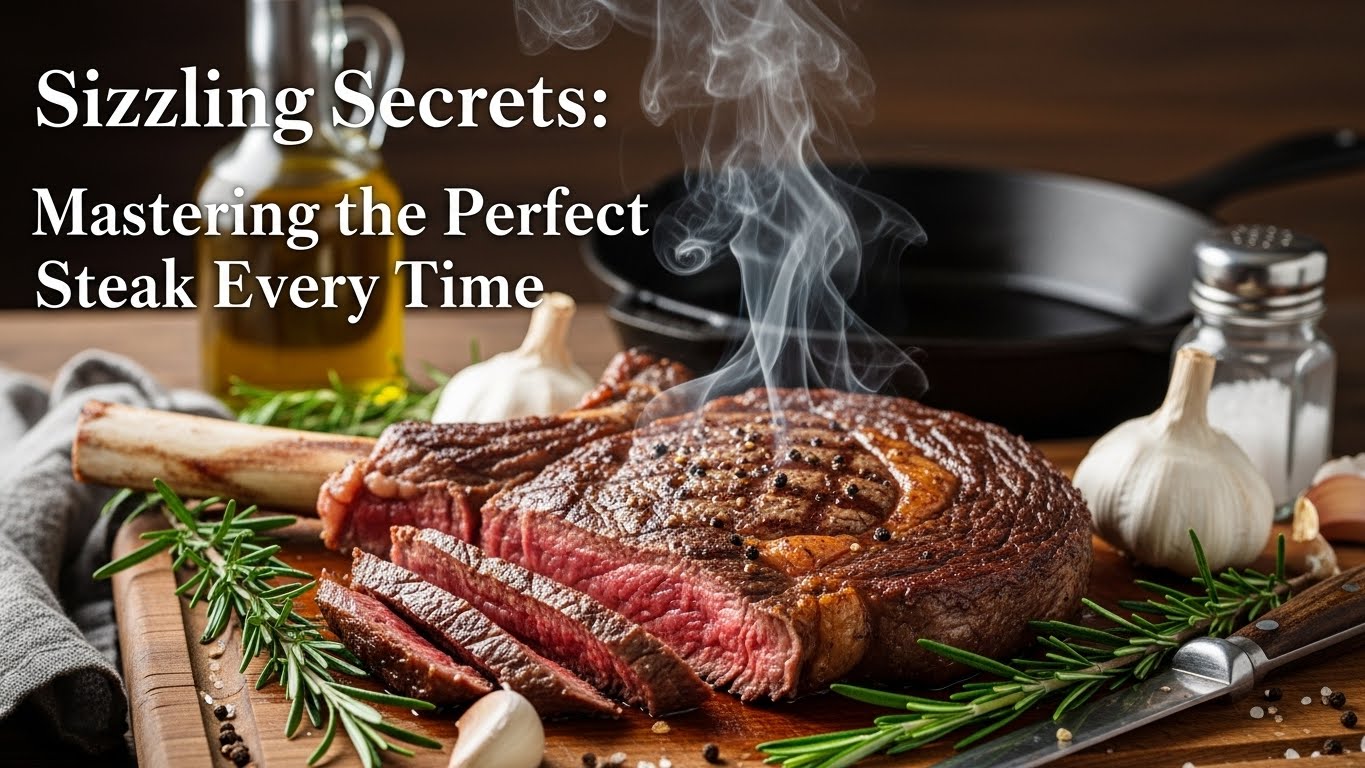

Nothing holds a candle to the aroma and flavor of a perfectly cooked steak. While it may seem daunting, mastering the art of cooking steak is surprisingly straightforward. This guide will equip you with essential tips and techniques to ensure your steak turns out juicy, tender, and full of flavor every time.
Choosing the Right Cut of Steak
The journey to cooking the perfect steak begins in the butcher shop. Different cuts of steak have varying textures, flavors, and tenderness levels. Here are some popular cuts:
- Ribeye: Known for its marbling, ribeye is rich and flavorful. The fat content makes it juicy, and it’s often considered one of the best cuts for grilling.
- Sirloin: A leaner cut without sacrificing flavor. It’s a versatile option that’s great for grilling or sautéing.
- Tenderloin (Filet Mignon): This cut is known for its incredible tenderness. It has less fat but is incredibly soft and delicate.
- T-bone: Combining two cuts in one, the T-bone offers the best of both tenderloin and strip steak, making it a favorite for steak lovers.
- Flank Steak: This lean cut is flavorful but can be tough. Marinating helps tenderize it, and it’s perfect for fajitas or stir-fries.
Preparation: Let It Rest and Season It Right
Once you’ve chosen your cut, the next step is preparation. Here are some key points:
1. Bring to Room Temperature
Let your steak sit out for about 30 minutes before cooking. This allows it to come to room temperature and promotes even cooking.
2. Season Generously
Don’t skimp on seasoning. A simple combination of salt and freshly ground pepper can do wonders. For added flavor, consider using garlic powder, onion powder, or your favorite spice rub.
The Cooking Process: Methods to Excellence
There are multiple ways to cook steak. Here are some popular methods:
Grilling
Grilling is arguably the most favored method for steak lovers. When using a grill:
- Pre-heat: Ensure your grill is hot before placing the steak on it. A grill that’s too cool can lead to a tough steak.
- Direct and Indirect Heat: Get a good sear by cooking over direct heat, then move to indirect heat to finish cooking without burning.
- Flipping: Avoid flipping your steak too often. Let it sear on one side before turning it to create a beautiful crust.
- Use a Thermometer: Use an instant-read thermometer to check doneness.
Pan-Seared
Pan-searing is another excellent method, particularly for those without an outdoor grill.
- Select the Right Pan: Use a cast-iron or heavy skillet for optimal results.
- Oil the Pan: Preheat the pan and add high smoke point oil (like canola or vegetable oil) before adding the steak.
- Butter Baste (Optional): Add butter and aromatics (like garlic and herbs) in the last few minutes. Spoon the melted butter over the steak for added flavor.
Oven Roasting
Oven roasting is excellent for larger cuts of meat. Start by searing the steak on the stovetop, then transfer it to a preheated oven.
- Preheat to 400°F (200°C): This will help achieve a perfectly cooked steak.
- Finish in the Oven: Once seared, place the skillet in the oven to finish cooking.
Perfecting Doneness
Understanding the different levels of doneness is crucial:
- Rare: 120-125°F (49-52°C) – red and cool center.
- Medium Rare: 130-135°F (54-57°C) – warm red center.
- Medium: 140-145°F (60-63°C) – pink and firm center.
- Medium Well: 150-155°F (65-68°C) – slightly pink center.
- Well Done: 160°F (71°C) and above – fully cooked center.
Resting: The Crucial Final Step
Many beginners skip this important step. After cooking, allow your steak to rest for about 5-10 minutes. This lets the juices redistribute, ensuring a juicy steak. Cover it loosely with foil to keep it warm.
Serving Suggestions
Once your steak is resting, consider how to prepare your sides:
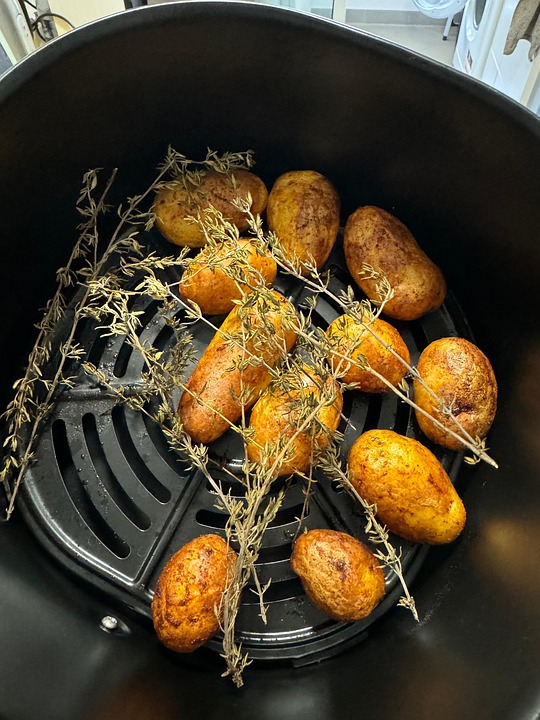
- Classic Pairings: Baked potatoes, grilled vegetables, or a fresh salad complement steak beautifully.
- Sauces: Consider adding a sauce like chimichurri, béarnaise, or garlic butter.
Conclusion
Cooking the perfect steak is both an art and a science, requiring attention to detail and practice. By choosing the right cut, preparing it properly, mastering your cooking technique, and allowing it to rest, you’ll impress your family and friends with tender, flavorful steaks every time. With the right techniques and a little love, your steaks will provide unforgettable dining experiences.
FAQs
1. How do I know when my steak is done without a thermometer?
A good method is to use the touch test. Gently press the steak with your finger. Rare steaks feel soft, medium steaks feel firmer, and well-done steaks feel hard.
2. Should I marinate my steak?
While marinating is optional, it can add flavor and tenderness, especially for less tender cuts of meat.
3. Can I cook steak from frozen?
Yes, but it requires a different cooking method. Cooking from frozen can be done on the stovetop followed by oven finishing.
4. What’s the best way to store leftover steak?
Wrap leftover steak in plastic wrap or aluminum foil and store it in the fridge. It can also be frozen for longer storage.
5. What is the best type of salt for seasoning steak?
Coarse salts like kosher salt or sea salt are ideal as they provide a better texture and enhance the steak’s flavor.