

Now Reading: The Art of Chocolate: Crafting Irresistible Dessert Masterpieces
-
01
The Art of Chocolate: Crafting Irresistible Dessert Masterpieces

[ad_1]
Introduction
Chocolate. Just the word conjures images of decadent desserts, rich flavors, and sweet indulgences. For centuries, this versatile ingredient has captivated the hearts and palates of those who seek to create and enjoy exquisite sweet treats. The art of chocolate crafting goes beyond mere confectionery; it is an intricate dance between creativity, skill, and passion. In this article, we delve into the depths of chocolate artistry, exploring techniques, recipes, and the magic that makes chocolate an eternal favorite.
The History of Chocolate
The journey of chocolate began more than 3,000 years ago with the ancient Mesoamericans. The Olmec civilization is credited with being one of the first to cultivate cacao plants. By the time the Mayans and Aztecs came into play, chocolate had become a sacred beverage, often consumed during rituals and celebrations. They prepared it as a frothy drink, often spiced with vanilla, chili, or other ingredients, far from the sweet treats we adore today.
As chocolate made its way to Europe in the 16th century, it underwent significant transformations. Sweeteners were added, and it quickly became a favorite among the aristocracy. Over the years, innovations such as the creation of solid chocolate in the 19th century paved the way for modern chocolate confectionery as we know it.
Understanding Chocolate: Types and Varieties
Before diving into the creative aspects of chocolate, it’s essential to understand the different types and varieties available. Chocolate primarily comes in three forms: dark, milk, and white. Each has its own unique flavor profile and uses in dessert crafting.
Dark Chocolate
Dark chocolate, known for its rich and intense flavor, contains cocoa solids, cocoa butter, and sugar. It typically has a cocoa content of 50% to 90%. The absence of milk gives it a more robust taste and lower sugar content, making dark chocolate a favorite for indulgent desserts and ganaches.
Milk Chocolate
Milk chocolate is sweeter and creamier due to the addition of milk solids. Its cocoa content ranges from 10% to 50%. This delightful variety is often used in candies, bars, and lighter desserts, appealing to those with a penchant for sweet treats.
White Chocolate
White chocolate is a unique option that does not contain cocoa solids, only cocoa butter, sugar, and milk solids. While some purists may argue it is not true chocolate, its creamy texture and sweetness make it a popular choice for various desserts.
The Crafting Process: Techniques and Tips
Crafting masterpieces from chocolate requires both technical skills and creative flair. Understanding the nuances of working with chocolate can elevate your dessert game significantly. Here are some essential techniques and tips.
Tempering Chocolate
Tempering is the process of heating and cooling chocolate to stabilize it, giving it a shiny finish and a firm snap when broken. Start by chopping the chocolate into uniform pieces, then melt two-thirds of it in a heatproof bowl over a pot of simmering water. Stir it continuously until it reaches about 45-50°C (113-122°F). Remove it from heat and add the remaining chocolate, stirring until it cools to around 31-32°C (88-90°F) for dark and 29-30°C (84-86°F) for milk and white chocolate. This technique is crucial for chocolate coatings and decorations.
Making Ganache
Ganache is a classic chocolate preparation made from equal parts chocolate and cream. It can be used as a filling, frosting, or glaze. To make ganache, heat the cream until it just begins to simmer. Pour it over chopped chocolate and let it sit for a few minutes before stirring until smooth. The ratio can be adjusted depending on the desired consistency; for a thicker ganache, use more chocolate.
Molding and Sculpting
Chocolate can be molded into various shapes and designs using silicone molds or by hand. The process requires tempered chocolate to ensure that it sets properly. After pouring tempered chocolate into molds, tap them gently on the counter to release air bubbles and smooth the surface. Allow the chocolate to set at room temperature, then carefully remove it from the molds.
Flavor Pairing and Infusions
Chocolate is a versatile ingredient that pairs well with a variety of flavors. Classic pairings include:
- Mint: A refreshing flavor that enhances both dark and milk chocolates.
- Orange: Zesty orange zest or liqueurs create an aromatic balance with rich chocolate.
- Coffee: Deepens the chocolate flavor and adds complexity.
- Spices: Cinnamon, chili, and cardamom can offer an exciting twist.
- Sea Salt: A sprinkle of sea salt can heighten the sweetness and richness of chocolate desserts.
Creative Chocolate Dessert Recipes
Now that you have a grasp of the techniques, let’s explore a few delectable chocolate dessert recipes that embody the art of chocolate.
1. Decadent Chocolate Mousse
This airy dessert is a classic favorite.
- Ingredients:
- 200g dark chocolate (70% cocoa)
- 3 eggs, separated
- 1/4 cup sugar
- 1 cup heavy cream
- Instructions:
1. Melt the chocolate in a heatproof bowl over simmering water. Let it cool slightly.
2. In a separate bowl, whisk egg whites until foamy. Gradually add sugar and continue whisking until stiff peaks form.
3. In another bowl, whip the cream until soft peaks form. Fold the chocolate into the egg yolks, then gently fold in the egg whites and cream.
4. Spoon the mousse into serving dishes and chill for at least 2 hours before serving.
2. Chocolate Lava Cake
This indulgent treat is sure to impress.
- Ingredients:
- 100g dark chocolate
- 100g unsalted butter
- 2 eggs
- 2 egg yolks
- 1/4 cup sugar
- 2 tablespoons flour
- Butter for greasing
- Instructions:
1. Preheat the oven to 200°C (400°F) and grease four ramekins.
2. Melt the chocolate and butter together in a heatproof bowl over simmering water.
3. In a separate bowl, whisk eggs and sugar until pale and thick. Add the melted chocolate and stir in the flour.
4. Divide the batter among the ramekins and bake for 12-14 minutes.
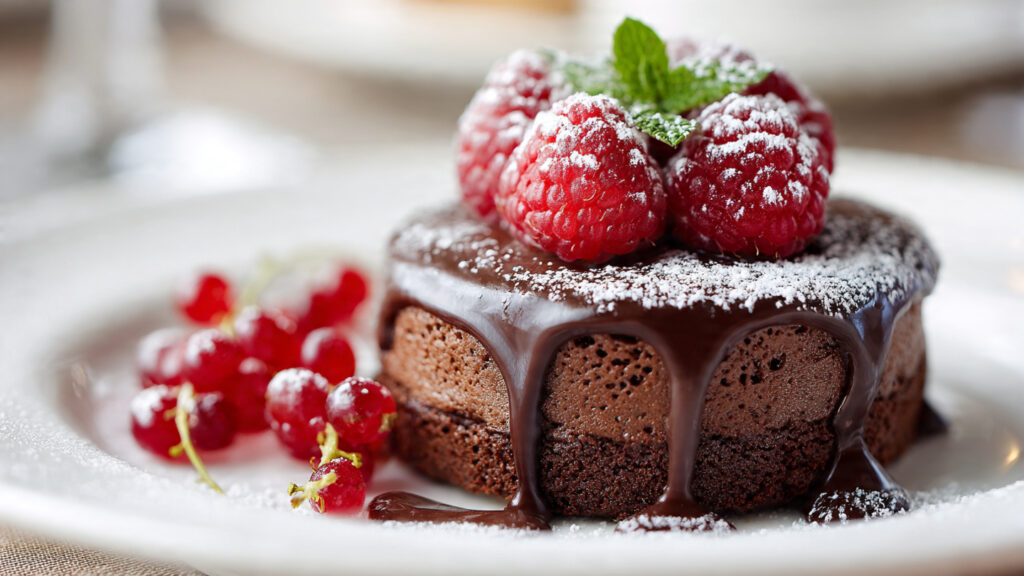
5. Let them sit for a minute, then invert onto plates to serve immediately.
3. Chocolate Truffles
These bite-sized delights are perfect for gifting.
- Ingredients:
- 200g dark chocolate
- 100ml heavy cream
- Cocoa powder or crushed nuts for rolling
- Instructions:
1. Heat the cream until it simmers, then pour it over the chopped chocolate in a bowl.
2. Let it sit for a few minutes, then stir until smooth. Chill the mixture until firm.
3. Scoop out small amounts and roll them into balls, then roll in cocoa powder or nuts.
4. Store in an airtight container in the fridge.
Presentation: The Finishing Touches
The presentation of your chocolate desserts can elevate the entire experience. Here are some essential tips for presenting your creations beautifully:
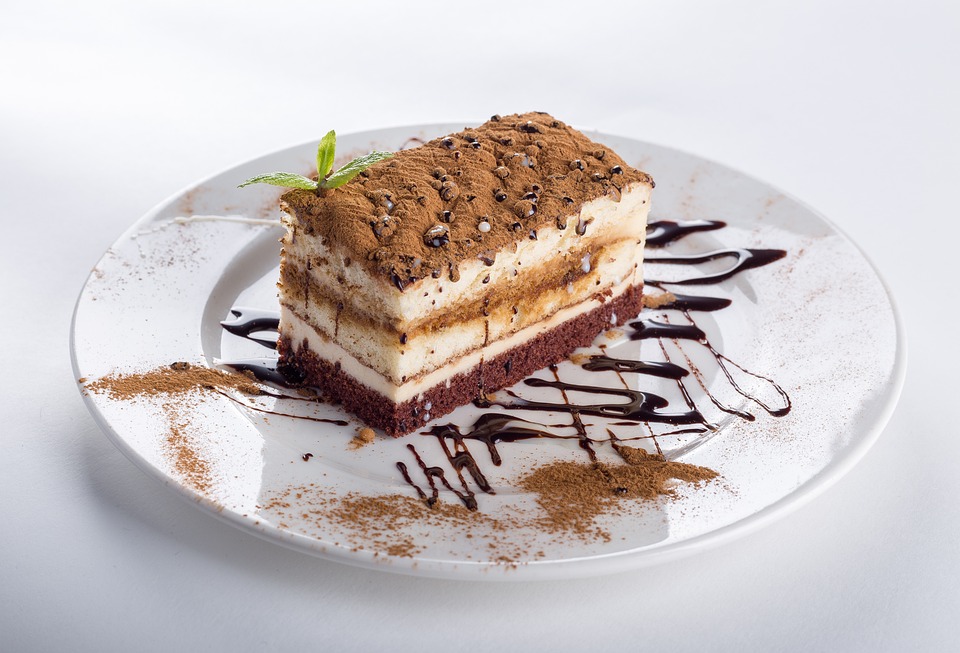
- Plating: Use stark white plates to allow the color of the chocolate to stand out. Experiment with drizzling sauces or powdered sugar for added flair.
- Garnishes: Fresh fruits, edible flowers, or chocolate shavings can add visual interest and flavor complexity to your desserts.
- Textures: Incorporate different textures through crunchy components like nuts or cookies, alongside creamy chocolate elements.
- Height: Stack layers or use molds to create height in your presentations, drawing the eye upward.
Conclusion
The artistry of chocolate is a splendid journey filled with creativity and discovery. From the ancient cacao traditions to modern-day dessert masterpieces, chocolate continues to enrich our lives in numerous ways. By understanding its various types, mastering essential techniques, and experimenting with flavor pairings, anyone can embark on their own chocolate crafting adventure. So gather your ingredients, unleash your creativity, and let the irresistible world of chocolate inspire your next dessert masterpiece.
[ad_2]
Related Posts
Stay Informed With the Latest & Most Important News
Previous Post
Next Post




Advertisement


Advertisement

-
 0112 Viral TikTok Desserts You Must Try at Home
 -
 027 Coffee Recipes Every Coffee Lover Needs to Try in 2025
 -
 037 Easy Homemade Coffee Drinks That Taste Better Than Starbucks
 -
 04Which Dessert Freezes the Best for Busy Weeks?
 -
 05What’s the Secret to Making the Creamiest Cheesecake Ever?
 -
 06No-Bake Desserts You Can Make in 10 Minutes or Less
 -
 07What Dessert Should You Bring to a Potluck? (Easy Answers!)