

Mastering the Grocery Aisles: Essential Tips for Smart Shopping

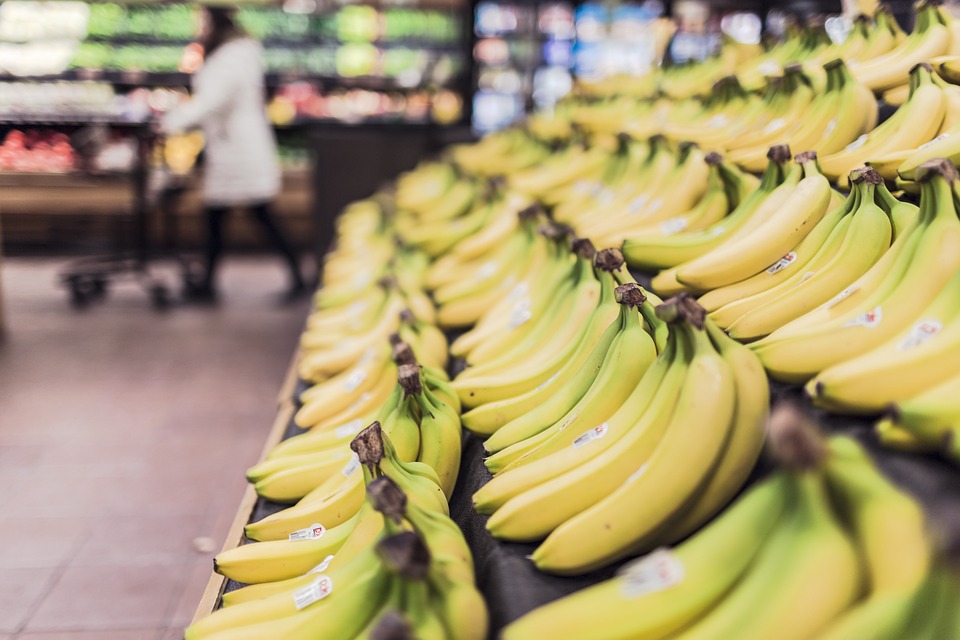

Grocery shopping is a routine task, but with the right strategies, it can become an efficient and even enjoyable experience. Whether you’re a seasoned shopper or a beginner navigating the supermarket aisles, knowing how to shop smartly can save you money, time, and stress. This article will provide you with essential tips for mastering the grocery aisles.
1. Plan Your Shopping Trip
Effective grocery shopping starts with a plan. With a little preparation, you can save both time and money. Here’s how to get started:
- Create a Grocery List: Before you head out, make a list of items you need. Categorize them by department (e.g., produce, dairy, canned goods) to streamline your shopping.
- Check Your Pantry and Fridge: Ensure you’re only buying what you need. Check for items you already have to avoid duplicates.
- Plan Your Meals: Meal planning can help you understand what ingredients you’ll need for the week. This can also aid in reducing food waste.
2. Know Your Store Layout
Understanding the layout of your grocery store can significantly improve your shopping efficiency. Here’s why:
- Familiarize Yourself: Take some time to walk through the store and familiarize yourself with the layout.
- Aisle Organization: Most grocery stores place fresh produce, dairy, and meats around the perimeter, while processed items are in the aisles. Keep this in mind when planning your route.
- Seasonal Items: Stores often rotate seasonal products. Knowing where these are located can help you discover new items.
3. Pay Attention to Pricing
Understanding pricing strategies can help you make informed decisions when shopping. Here are some tips:
- Compare Unit Prices: Look at unit pricing to get the best deal. This information is usually found on the price tags and helps you compare different brands and sizes.
- Watch for Discounts: Look for sales, coupons, and loyalty programs. Some stores offer discounts for bulk purchases.
- Avoid End-Cap Traps: Items placed at the ends of aisles are often on sale, but not always the best deal. Always check unit pricing.
4. Healthy Choices
Making healthy choices can sometimes be a challenge at the grocery store. Here are some strategies to keep in mind:
- Shop the Perimeter: Focus on the outer aisles where fresh produce, meats, and dairy are typically located.
- Choose Whole Foods: Whole, unprocessed foods are generally healthier than packaged options. Prioritize fruits, vegetables, whole grains, and lean proteins.
- Read Labels: Pay attention to nutritional labels. Look for low sodium options and avoid foods with added sugars.
5. Timing is Key
The time you choose to go grocery shopping can impact your experience. Consider the following:
- Shop During Off-Peak Hours: Weekdays during the morning or early afternoon are often less crowded, providing a calmer shopping experience.
- Fresh Deliveries: Grocery stores often restock early in the morning, so shopping shortly after opening can give you a better selection.
- Avoid Shopping When Hungry: Shopping on an empty stomach can lead to impulse buys. Eat beforehand to help stick to your list.
6. Be Mindful of Impulse Buying
Impulse buying can derail your budget and shopping list. Here are some ways to keep it in check:
- Stick to Your List: Cultivate the discipline to resist purchasing items not on your list.
- Implement a Waiting Period: If you feel tempted to buy something not on your list, wait 24 hours to decide if you really need it.
- Limit Exposure: Avoid browsing non-essential aisles to reduce temptation.
7. Use Technology to Your Advantage
In today’s digital age, technology can significantly enhance your grocery shopping experience. Consider these tools:
- Shopping Apps: Utilize grocery shopping apps to help organize your lists and find deals at local stores.
- Price Comparison Tools: Use apps that allow you to compare prices between different stores.
- Online Grocery Shopping: If time is tight, consider online shopping options that most grocery stores now offer, allowing you to pick up or have your groceries delivered.
8. Quality Over Quantity
Investing in quality food products can benefit your health and culinary enjoyment. Here are some tips for ensuring quality:
- Read Reviews: If you are trying a new brand or product, look for reviews online or ask for recommendations.
- Buy Seasonal Produce: Seasonal fruits and vegetables tend to be fresher and tastier, and often cheaper.
- Support Local Farmers: If possible, shop at local farmers’ markets for high-quality, local produce.
9. Practice Sustainability
Making environmentally conscious choices can also extend to your grocery shopping. Consider the following sustainable practices:
- Bring Your Own Bags: Use reusable grocery bags to minimize plastic waste.
- Choose Bulk Items: Buying in bulk reduces packaging waste and often saves money.
- Mindful Meat Consumption: Consider reducing your meat consumption or purchasing meat from sustainable sources.
10. Make the Most of Leftovers
Utilizing leftovers not only saves money but also reduces food waste. Here’s how:
- Plan for Leftovers: Cook larger portions to have leftovers for future meals.
- Creative Uses: Transform leftovers into new meals. For example, leftover chicken can become chicken salad, and vegetables can be blended into soup.
- Store Properly: Invest in good quality storage containers to keep leftovers fresh for longer.
Conclusion
Mastering the grocery aisles involves a combination of planning, strategy, and mindfulness. By following these essential tips, you can make your shopping experience not only more efficient but also more enjoyable. From planning your meals to being conscious of pricing and sustainability, informed choices can lead to better health, savings, and satisfaction. Happy shopping!
FAQs
1. What should I always have in my grocery list?
Essential items include staples like rice, pasta, canned goods, frozen vegetables, dairy, and fresh produce, along with any special items for planned meals.
2. How can I reduce my grocery bill?
To reduce your grocery bill, shop sales, buy in bulk, use coupons, and stick to your grocery list to avoid impulse buying.
3. Is it better to shop online or in-store?
Online shopping can save time and help stick to your list, while in-store shopping allows for fresh produce selection and might offer better deals on certain items.
4. How can I ensure I’m buying quality products?
Check labels for freshness, look for seasonal items, and read reviews. Local farmers’ markets are also excellent for quality produce.
5. How do I effectively manage my time while grocery shopping?
Shop during off-peak hours, stick to your prepared list, and familiarize yourself with the store layout to navigate efficiently.