



Now Reading: Coffee 101: A Beginner’s Guide to the World of Coffee
-
01
Coffee 101: A Beginner’s Guide to the World of Coffee
Coffee 101: A Beginner’s Guide to the World of Coffee

[ad_1]
Coffee is more than just a beverage; it’s a cultural phenomenon enjoyed by millions around the globe. Whether you prefer it black, creamy, sweetened, or blended, there’s a type of coffee for everyone. In this guide, we’ll cover the basics to help you understand and enjoy coffee even more.
The History of Coffee
The origins of coffee date back to the 15th century in the Arabian Peninsula. Legend has it that a goat herder named Kaldi discovered coffee when he noticed his goats were more energetic after eating berries from a particular tree. From these humble beginnings, coffee spread to Persia, Egypt, and the Ottoman Empire. Today, it has become a global industry, with millions of people relying on it for their daily boost.
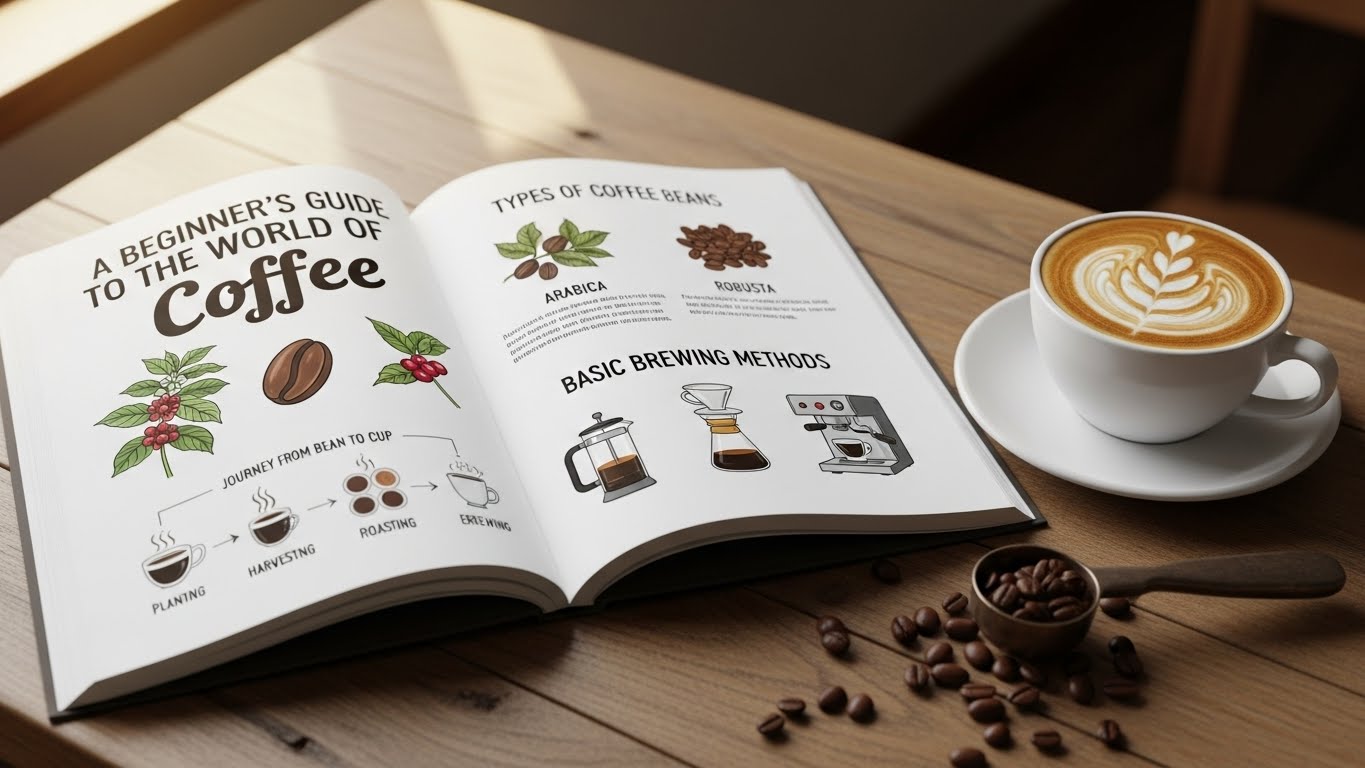
Types of Coffee Beans
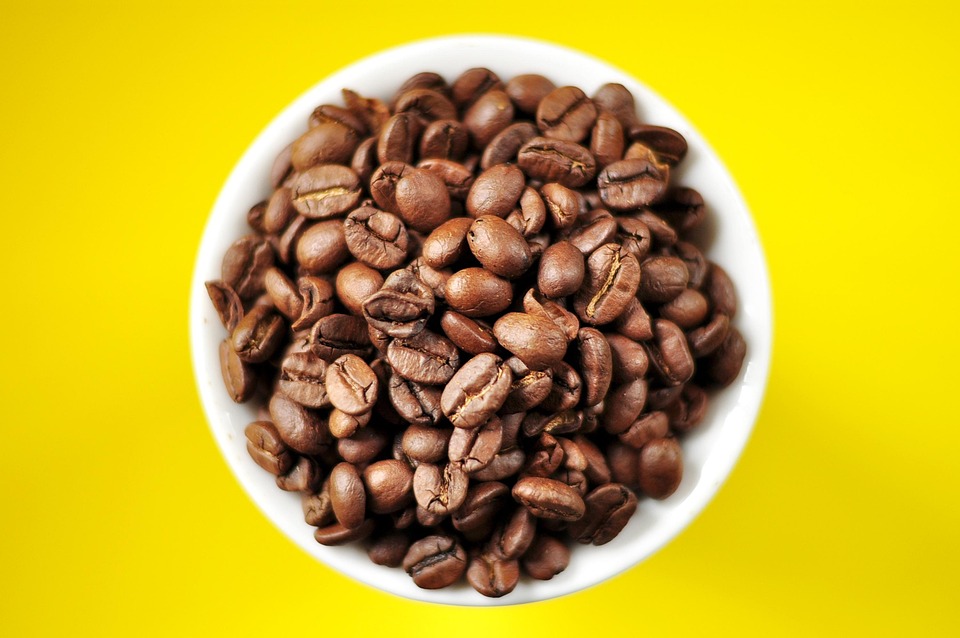
There are four main types of coffee beans: Arabica, Robusta, Liberica, and Excelsa. Here’s a brief overview:
- Arabica: Known for its smooth, complex flavor, Arabica beans are the most popular, accounting for about 60-70% of the world’s coffee production.
- Robusta: These beans are hardier and more resistant to pests. They have a stronger, more bitter flavor and generally contain more caffeine than Arabica beans.
- Liberica: Less common, Liberica beans have a unique smoky flavor and are primarily grown in West Africa and Southeast Asia.
- Excelsa: Often used to add depth to blends, Excelsa beans are fruity and tart, primarily cultivated in Southeast Asia.
Brewing Methods
There are numerous ways to brew coffee, each producing different flavors and strengths. Here are some popular methods:
- Drip Coffee Maker: This is one of the most common methods. Water is heated and then dripped over coffee grounds in a filter.
- French Press: Coarse coffee grounds are steeped in hot water, then separated by pressing down a metal or plastic plunger through a mesh sieve.
- Espresso Machine: Espresso is made by forcing hot water through finely-ground coffee at high pressure, yielding a rich, concentrated shot of coffee.
- AeroPress: This portable device allows you to brew coffee by steeping coffee grounds and then pressing hot water through them.
- Cold Brew: Coarse coffee grounds are steeped in cold water for an extended period, usually around 12-24 hours, resulting in a smooth, less acidic coffee.
Understanding Coffee Flavor Profiles
Coffee flavor profiles are influenced by various factors, including the origin of the beans, the roast level, and the brewing method. Some common flavor profile notes include:
- Fruity: Often found in lighter roasts, these coffees can have notes of berry, citrus, or stone fruit.
- Nutty: Common in medium roasts, nutty flavors can resemble almonds or hazelnuts.
- Chocolatey: Many coffees exhibit chocolate notes, particularly those from Latin America and Africa.
- Spicy: Some coffees have notes of clove, cinnamon, or even pepper, which can add complexity and depth.
Health Benefits of Coffee
Moderate coffee consumption has been linked to several health benefits:
- Rich in Antioxidants: Coffee is loaded with antioxidants, which help combat oxidative stress in the body.
- Improved Cognitive Function: The caffeine in coffee can enhance brain function, improving mood, reaction times, and overall mental performance.
- Lowered Risk of Certain Diseases: Some studies suggest that coffee drinkers have a lower risk of diseases such as Parkinson’s, Alzheimer’s, and type 2 diabetes.
Conclusion
Whether you’re a casual drinker or aspiring coffee connoisseur, understanding the basics of coffee can significantly enhance your experience. From the history and varieties to brewing methods and flavor profiles, coffee is a diverse world waiting to be explored. So next time you sip your favorite brew, you’ll have a newfound appreciation for what’s in your cup.
FAQs
1. How many types of coffee beans are there?
There are four primary types of coffee beans: Arabica, Robusta, Liberica, and Excelsa.
2. What’s the best brewing method for beginners?
A drip coffee maker or a French press are great options for beginners due to their simplicity and ease of use.
3. Can coffee be healthy?
Yes, moderate coffee consumption has several health benefits, including improved cognitive function and a lower risk of certain diseases.
4. How can I enhance the flavor of my coffee?
Experimenting with different brewing methods, grind sizes, and coffee origins can greatly enhance the flavor of your coffee.
5. Is there a difference between light, medium, and dark roast?
Yes, lighter roasts tend to have higher acidity and more fruity flavors, while darker roasts are bolder, fuller-bodied, and often have chocolatey or smoky notes.
[ad_2]
Related Posts


Stay Informed With the Latest & Most Important News
Previous Post
Next Post








Advertisement


Advertisement

-
 0112 Viral TikTok Desserts You Must Try at Home
 -
 027 Coffee Recipes Every Coffee Lover Needs to Try in 2025
 -
 037 Easy Homemade Coffee Drinks That Taste Better Than Starbucks
 -
 04Which Dessert Freezes the Best for Busy Weeks?
 -
 05What’s the Secret to Making the Creamiest Cheesecake Ever?
 -
 06No-Bake Desserts You Can Make in 10 Minutes or Less
 -
 07What Dessert Should You Bring to a Potluck? (Easy Answers!)