


Now Reading: Decaf Delight: The Surprising Benefits of Coffee Without Caffeine
-
01
Decaf Delight: The Surprising Benefits of Coffee Without Caffeine
Decaf Delight: The Surprising Benefits of Coffee Without Caffeine

[ad_1]
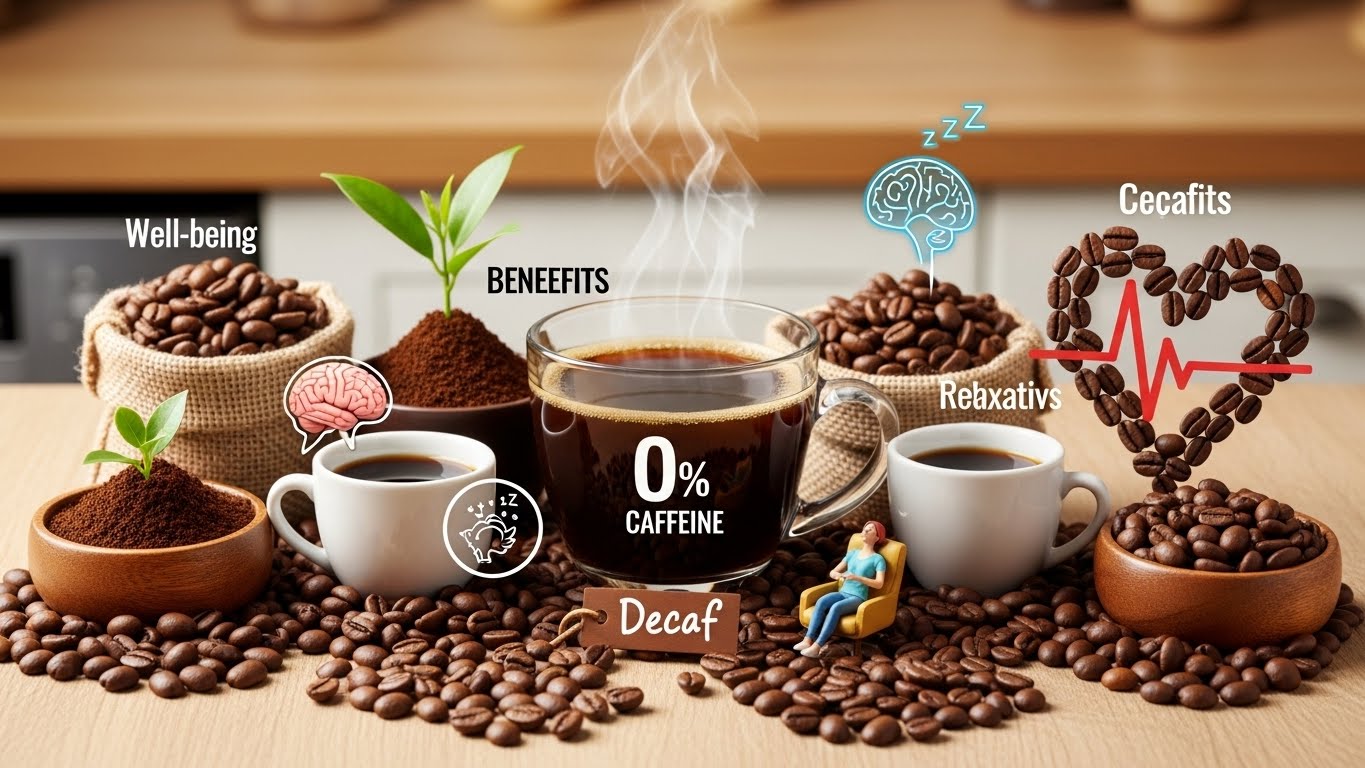
Coffee has long been a favorite beverage for millions around the world. The rich aroma, the comforting warmth, and the daily ritual it provides are hard to beat. However, for those sensitive to caffeine or looking to reduce their intake, decaffeinated coffee offers a delightful alternative. Let’s explore the surprising benefits of enjoying coffee without caffeine.
What is Decaf Coffee?
Decaffeinated coffee is made from coffee beans that have had a significant portion of their caffeine removed. While the decaffeination process can vary, it typically involves methods such as the Swiss Water Process or the use of chemical solvents. The result is a beverage that retains most of the original flavor and aroma of regular coffee, but with minimal caffeine content—generally around 2 to 5 milligrams per cup compared to 95 milligrams in a standard cup of coffee.
1. Reduced Anxiety Levels
One of the primary benefits of decaf coffee is its ability to reduce anxiety. Caffeine is a stimulant that can elevate heart rates and lead to feelings of nervousness or anxiety in some individuals. By choosing decaf, you can still enjoy the comforting routine of sipping coffee while avoiding the jittery side effects often associated with caffeine intake.
2. Better Sleep Quality
For many, caffeine consumption too late in the day can disrupt sleep patterns. Decaf coffee, on the other hand, can be enjoyed any time of the day without the fear of sleepless nights. In fact, the soothing ritual of having a warm cup of decaf coffee can even promote relaxation, making it a perfect evening beverage.
3. Rich in Antioxidants
Like its caffeinated counterpart, decaf coffee is rich in antioxidants, which are compounds that help protect your body from oxidative stress. Antioxidants play a crucial role in preventing chronic diseases. Drinking decaf can still provide these health benefits while offering a guilt-free coffee experience.
4. Lower Blood Pressure
Some studies suggest that decaf coffee may help in managing blood pressure levels. While the evidence is still emerging, individuals with hypertension or those who are caffeine sensitive may find that switching to decaf coffee helps stabilize their blood pressure without sacrificing the enjoyment of coffee.
5. Provides Comfort and Routine
Coffee culture is centered around the enjoyment and ritual of drinking coffee. Decaf offers the same comfort and routine without the effects of caffeine. Whether it’s a morning cup, a social gathering, or an evening treat, decaf coffee provides a way to continue enjoying these experiences without the added stimulation.
6. Digestive Benefits
For people with sensitive stomachs, regular coffee can sometimes cause digestive discomfort. Decaf coffee is often easier on the stomach and can provide the rich flavor without the harsh acidity associated with its caffeinated sibling. This makes it a great option for coffee lovers who experience gastrointestinal issues.
7. Enjoy Without Excess Calories
Decaf coffee can be enjoyed black, which is a calorie-free option. Additionally, it can also be paired with milk or sweeteners according to individual preference, making it a versatile drink for those looking to satisfy their coffee cravings without adding significant calories to their diet.
Conclusion
Decaffeinated coffee offers a plethora of surprising benefits, ranging from improved anxiety levels to digestive ease. While traditional coffee remains a popular choice for its caffeine kick, decaf provides an excellent alternative for those looking to enjoy the taste and ritual of coffee without the stimulating effects of caffeine. Whether for health reasons or personal preference, embracing decaf can enhance your coffee experience in delightful ways.
FAQs
1. Is decaf coffee completely caffeine-free?
No, decaf coffee is not completely caffeine-free. It usually contains about 2-5 milligrams of caffeine per cup, which is significantly lower than regular coffee.
2. Can decaf coffee still help with weight loss?
While decaf coffee alone is not a weight-loss solution, it can be a part of a healthy diet. Its low-calorie content and antioxidant properties may contribute to overall wellness.
3. Does decaf coffee have the same flavor as regular coffee?
Yes, decaf coffee can have a similar flavor profile to regular coffee, although some people may notice subtle differences depending on the decaffeination process used.
4. Can pregnant women drink decaf coffee?
Decaf coffee is generally considered safe during pregnancy, but it is best to consult with a healthcare provider regarding caffeine intake.
5. Are there any downsides to drinking decaf coffee?
While decaf coffee has many benefits, some individuals may experience digestive issues or find that it doesn’t fully satisfy their coffee cravings. It’s best to listen to your body and adjust your consumption accordingly.
[ad_2]
Related Posts

Stay Informed With the Latest & Most Important News
Previous Post
Next Post








Advertisement


Advertisement

-
 0112 Viral TikTok Desserts You Must Try at Home
 -
 027 Coffee Recipes Every Coffee Lover Needs to Try in 2025
 -
 037 Easy Homemade Coffee Drinks That Taste Better Than Starbucks
 -
 04Which Dessert Freezes the Best for Busy Weeks?
 -
 05What’s the Secret to Making the Creamiest Cheesecake Ever?
 -
 06No-Bake Desserts You Can Make in 10 Minutes or Less
 -
 07What Dessert Should You Bring to a Potluck? (Easy Answers!)