


[ad_1]
Baking gluten-free can be a challenging yet rewarding endeavor. Whether due to gluten intolerance, celiac disease, or simply a choice to reduce gluten intake, understanding the fundamentals of gluten-free baking can lead to truly delicious results. This article covers the essential tips and tricks to help you succeed in creating delightful gluten-free desserts.
Understanding Gluten-Free Flours
One of the most significant differences between traditional and gluten-free baking involves the types of flours used. Gluten provides structure and elasticity to baked goods, so without it, we need to find alternatives that can mimic these qualities.
Popular Gluten-Free Flours
- Almond Flour: A great option for dense, moist baked goods. Best used in combination with other flours.
- Coconut Flour: Absorbs a lot of moisture, so use it sparingly. Usually needs additional liquids in recipes.
- Rice Flour: Commonly used in gluten-free recipes; offers a lighter texture.
- Sorghum Flour: Provides a mild flavor and is great for a variety of baked goods.
- Oat Flour: Made from ground oats, adds a nice flavor and works well in cookies and breads.
Creating Your Own Gluten-Free Flour Blend
Using one type of gluten-free flour might yield less-than-desirable results. A blend of different flours often works better. Here’s a basic recipe for a gluten-free flour blend:
- 2 cups of rice flour
- 1 cup of tapioca flour
- 1 cup of potato starch
Mix these together for a versatile blend that can be used in many recipes.
Binding Agents
Since gluten acts as a binding agent, you’ll need to incorporate alternatives. Here are some effective binding agents for gluten-free baking:
- Xanthan Gum: A common ingredient in commercial gluten-free recipes; helps with the texture.
- Guar Gum: Similar to xanthan gum but can often be used at a lower ratio.
- Ground Flaxseed: When mixed with water, it forms a gel-like consistency that works like an egg.
- Chia Seeds: Can be used similarly to flaxseed to provide moisture and binding.
Moisture Matters
Gluten-free baked goods can often turn out dry if not enough moisture is used. Here are some ingredients to help retain moisture:
- Applesauce: Adds moisture and can replace oils or fats in recipes.
- Yogurt: Provides creaminess and retains moisture.
- Nut Butters: Adds richness and moisture to cookies and bars.
- Eggs: Serve as a binding agent and add moisture, enhancing the texture.
Techniques for Success
Adopting the right techniques is crucial in gluten-free baking. Here are some key tips:
- Measure Accurately: Use weight measurements for precision to ensure the right texture.
- Mix Thoroughly: Ensure ingredients are well combined for a uniform texture.
- Don’t Overmix: Although gluten-free flours can be sensitive, be cautious of the texture when mixing.
- Let it Rest: Allowing your batter to rest for a few minutes can prevent graininess, especially with almond or coconut flour.
Choosing the Right Recipe
When starting your gluten-free baking journey, it’s best to select recipes that have been specifically designed for gluten-free flour. This ensures that the proportions and methods are optimized for best results.
Adapting Traditional Recipes
If you wish to adapt a traditional recipe, keep the following in mind:
- Replace wheat flour with your gluten-free flour blend.
- Use appropriate binding agents as previously mentioned.
- Increase liquid ingredients slightly to compensate for moisture loss.
Experimentation and Patience
Don’t be afraid to experiment! Gluten-free baking often requires trial and error, so have patience during the learning process. Each oven and ingredient can behave differently, so take notes to help refine future creations.
Common Gluten-Free Desserts to Try
Here are a few popular gluten-free desserts to get you started:
- Flourless Chocolate Cake: Rich and fudgy, perfect for chocolate lovers.
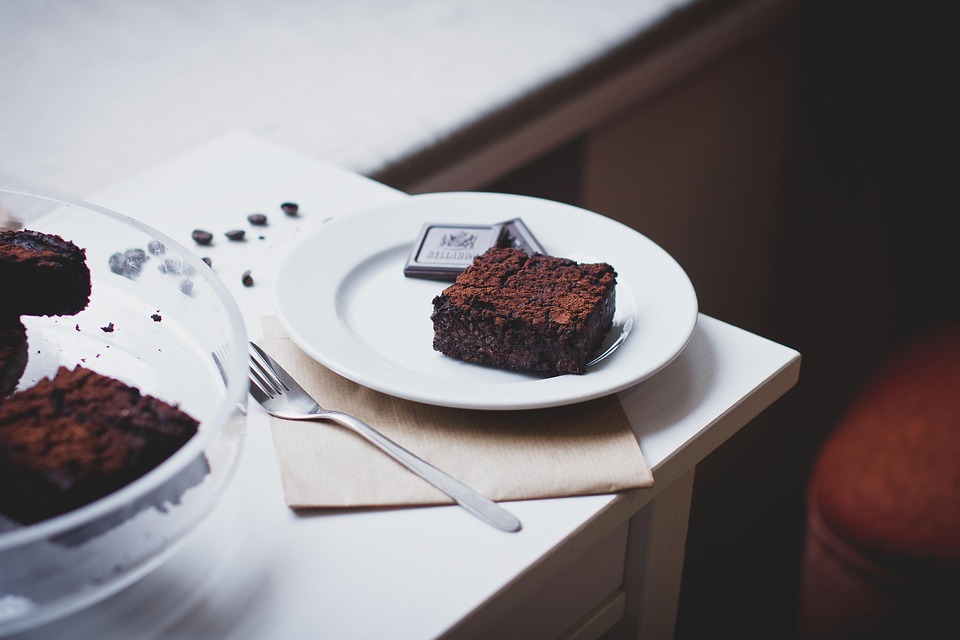
- Gluten-Free Brownies: Substitute regular flour with your blend for deliciously chewy brownies.
- Macarons: Naturally gluten-free, these delicate cookies are made with almond flour.
- Rice Pudding: A classic dessert that inherently avoids gluten unless additives are used.
Storing Gluten-Free Baked Goods
Proper storage is important to maintain the freshness and quality of your gluten-free baked goods:
- Store cookies in an airtight container at room temperature; they generally last up to a week.
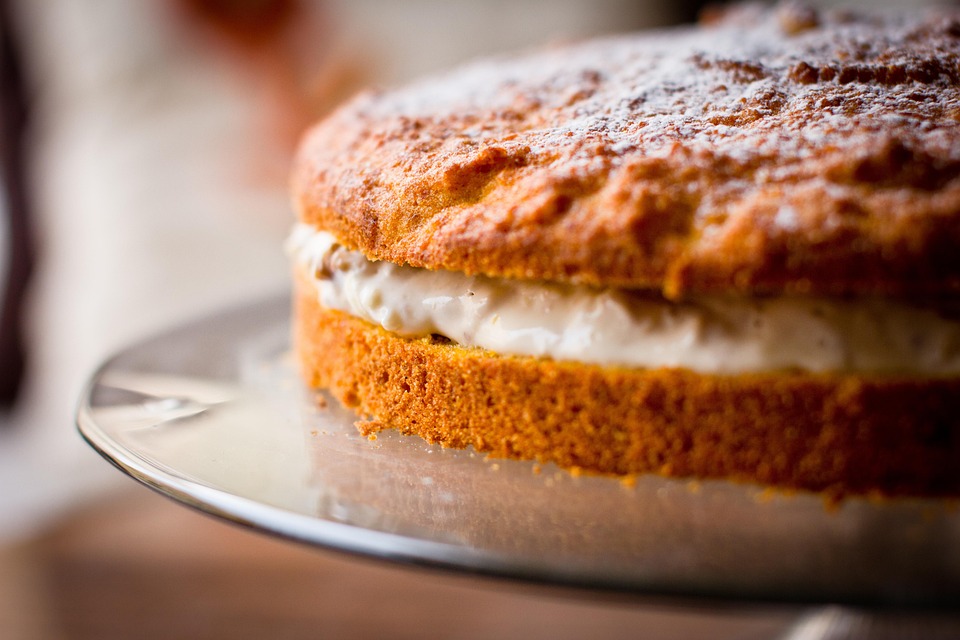
- Cakes are best covered and stored in a cool place, and can last for several days.
- For longer storage, freeze items in an airtight container; most will maintain quality for a couple of months.
Conclusion
Gluten-free baking might present unique challenges, but with the right knowledge, ingredients, and techniques, you can create delicious desserts that everyone will love! Understanding the importance of gluten-free flours, binding agents, and moisture will help you master the art of gluten-free baking. Remember that patience and experimentation are key; don’t be discouraged by initial setbacks. With practice, you’ll not only discover the joy of gluten-free baking but also amaze friends and family with your delightful creations!
[ad_2]