


Now Reading: The Deep Dive: Exploring the Rich Flavors of Dark Roast Coffee
-
01
The Deep Dive: Exploring the Rich Flavors of Dark Roast Coffee
The Deep Dive: Exploring the Rich Flavors of Dark Roast Coffee

[ad_1]
Coffee has become an integral part of our daily lives, with varieties ranging from light to dark roasts. Among these, dark roast coffee stands out for its bold flavors and distinct aroma. This article delves into the world of dark roast coffee, exploring its rich flavors, the roasting process, health benefits, and brewing techniques that bring out its best qualities.
Understanding Dark Roast Coffee
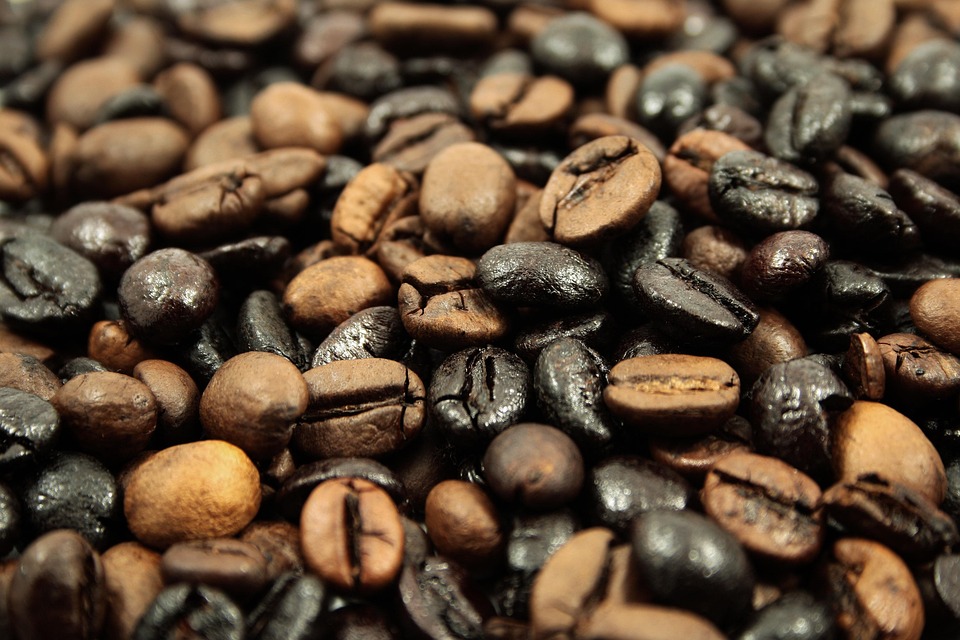
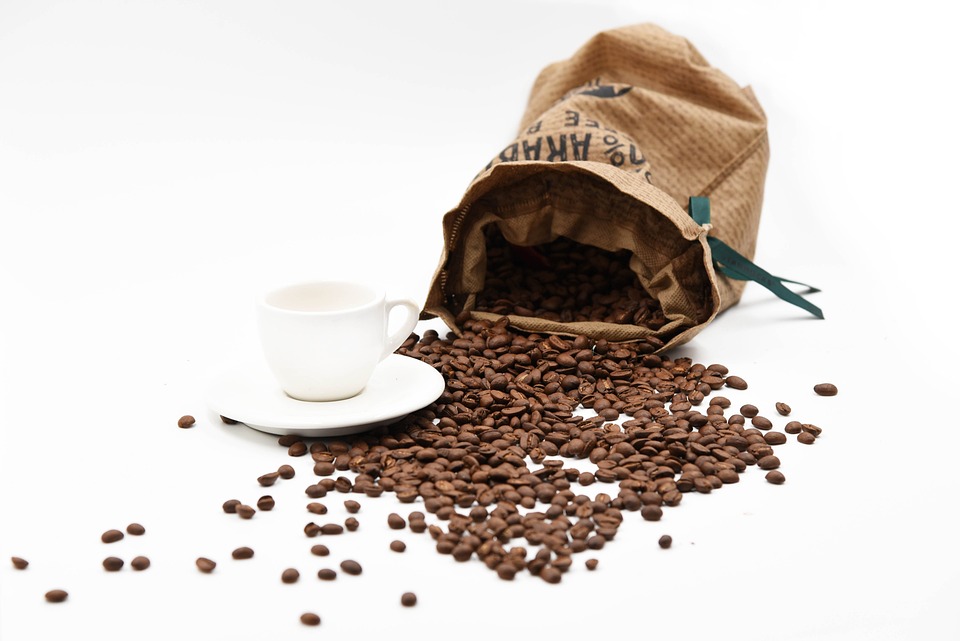
Dark roast coffee is characterized by its deep brown to almost black color and a shiny, oily surface. The roasting process for dark coffee beans typically takes longer than for lighter roasts, allowing the beans to develop a caramelization of sugars. This roasting level often results in more robust flavors that can mask the acidity and highlight deeper notes.
The Roasting Process
When coffee beans are roasted, they undergo a series of chemical changes. In dark roasting, the temperature can reach upwards of 430°F (220°C). At this temperature, the beans start to release oils and sugars, leading to the rich flavors we associate with dark roast coffee.
During roasting, the beans emit gases, causing them to expand until they reach the desired roast level. The timing is crucial, as over-roasting can lead to a burnt taste. The key phases in the roasting process include:
- Drying Phase: This initial phase removes moisture from the beans.
- Maillard Reaction: A critical phase where amino acids and sugars combine, contributing to flavor development.
- First Crack: A pivotal moment indicating that the beans are transitioning from a light to a medium roast.
- Development Phase: The beans continue to roast until they reach their final dark roast state, marked by the second crack.
Flavor Profile of Dark Roast Coffee
The flavor profile of dark roast coffee can be both enticing and complex. Some of the common flavor notes include:
- Chocolate: Notes of cocoa that provide a rich taste.
- Caramel: A sweet undertone resulting from the caramelization process.
- Smokiness: A signature characteristic that comes from the roasting process.
- Nutty: Hints of nut-like flavors that add depth.
- Bold and Earthy: A full-bodied experience that can leave a lasting impression.
Regional Variations in Flavor
Dark roast coffee can vary significantly depending on the origin of the beans. Beans from Africa, for example, can impart fruity notes even at darker roast levels, while Brazilian beans may lean more towards chocolate and nut undertones. Understanding these variations can enhance the coffee-drinking experience.
The Health Benefits of Dark Roast Coffee
Beyond its rich flavors, dark roast coffee also boasts several health benefits. Some of these include:
- Rich in Antioxidants: Dark roast coffee contains high levels of antioxidants, which can help combat oxidative stress in the body.
- Supports Metabolism: Caffeine present in dark roast may boost metabolic rates and help with weight management.
- Improved Mental Alertness: The caffeine content in dark roast coffee can enhance focus and concentration levels.
- Lower Acidity: Dark roast coffee is usually less acidic than light roast, making it gentler on the stomach.
Brewing Techniques for Dark Roast Coffee
To maximize the flavors of dark roast coffee, employing the right brewing techniques is essential. Popular methods include:
French Press
The French press allows for a full extraction of flavors, and its steeping method brings out the bold characteristics of dark roasts.
Espresso
Espresso, made from finely ground dark roast coffee, concentrates the rich flavors and provides a robust shot that can be enjoyed alone or in various coffee drinks.
Pour-Over
The pour-over method enables precise control over brewing time and water temperature, enhancing the tasting experience of dark roast coffee.
Conclusion
Dark roast coffee offers an inviting array of flavors that speaks to coffee enthusiasts. Understanding the roasting process, appreciating the rich flavor profiles, and employing optimal brewing techniques can elevate your coffee experience. With its numerous health benefits and bold taste, dark roast coffee has secured its place in the hearts of many.
Frequently Asked Questions (FAQs)
1. Is dark roast coffee stronger than light roast coffee?
While dark roast coffee has a bolder flavor, it typically has a slightly lower caffeine content than light roast due to the longer roasting process. Strength can be subjective and dependent on personal flavor preference.
2. Can dark roast coffee be used for cold brew?
Yes, dark roast coffee can be an excellent choice for cold brew, as its bold flavors stand out and provide a rich, smooth drink.
3. How should I store dark roast coffee beans?
To maintain freshness, store dark roast coffee beans in an airtight container in a cool, dark place away from direct sunlight and moisture.
4. What is the best grind size for dark roast coffee?
The best grind size depends on the brewing method. For methods like French press, a coarse grind is ideal, while espresso requires a fine grind.
[ad_2]
Stay Informed With the Latest & Most Important News
Previous Post
Next Post







Advertisement


Advertisement

-
 0112 Viral TikTok Desserts You Must Try at Home
 -
 027 Coffee Recipes Every Coffee Lover Needs to Try in 2025
 -
 037 Easy Homemade Coffee Drinks That Taste Better Than Starbucks
 -
 04Which Dessert Freezes the Best for Busy Weeks?
 -
 05What’s the Secret to Making the Creamiest Cheesecake Ever?
 -
 06No-Bake Desserts You Can Make in 10 Minutes or Less
 -
 07What Dessert Should You Bring to a Potluck? (Easy Answers!)