




Coffee is more than just a beverage; it’s a ritual, a source of inspiration, and a global industry. Among the various coffee beans that grace our cups, Arabica stands out as the most popular and widely consumed variety. In this article, we delve deep into what makes Arabica unique, its rich history, cultivation practices, flavor profiles, and its significant role in the world of coffee.
Understanding Arabica Coffee
Coffea arabica, commonly known as Arabica, is one of the two main species of coffee beans produced for commercial use, the other being Robusta. Arabica accounts for about 60-70% of the world’s coffee production, favored for its smooth, nuanced flavors and aromatic qualities.
A Brief History
The history of Arabica coffee is deeply entwined with the culture of coffee drinking. Originating from the highlands of Ethiopia, it was first cultivated in Yemen during the 15th century. By the 17th century, coffee houses began to pop up in cities like Istanbul and Venice, popularizing coffee drinking across Europe and beyond. The spread of Arabica coffee transformed social lives, leading to the vibrant coffee culture we see today.
Characteristics of Arabica Beans
Arabica beans are known for their complex flavor profile. Here are some distinguishing characteristics:
- Flavor: Arabica coffee is often described as having a sweet, soft taste with hints of fruit, sugar, and floral notes. It tends to be less bitter than Robusta.
- Acidity: Arabica typically has a higher acidity level, which contributes to its lively and crisp taste. This acidity is often described as bright or clean.
- Caffeine Content: Arabica beans contain approximately half the caffeine content of Robusta beans, contributing to a milder flavor profile.
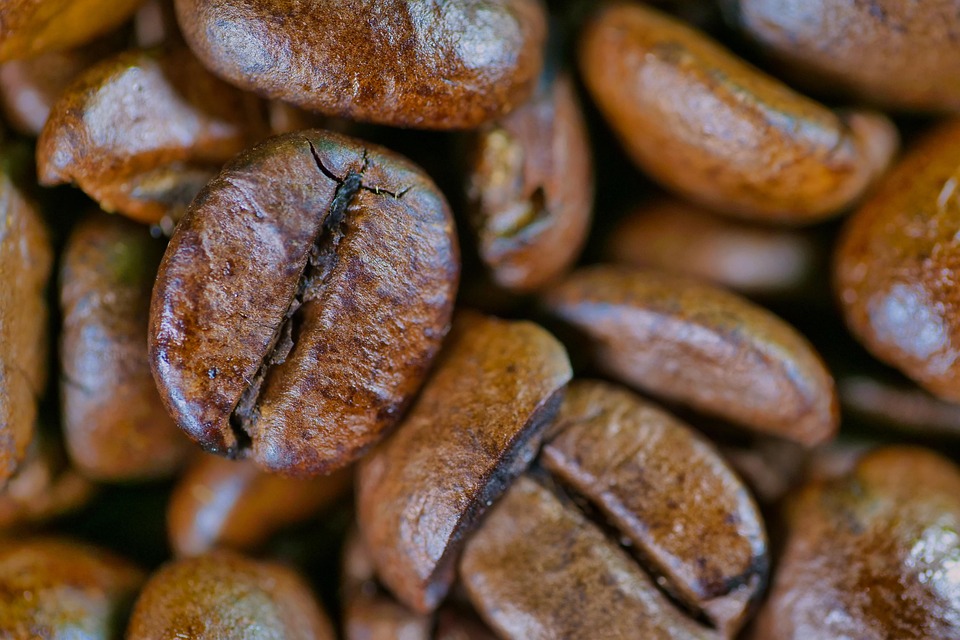
- Shape and Size: Arabica beans are oval-shaped with a curved crease, while Robusta beans are rounder and straighter.
Growing Conditions
Arabica coffee is typically grown in higher altitudes, between 2,000 to 6,000 feet above sea level. This altitude, along with cooler temperatures between 60°F and 70°F, creates the ideal conditions for aromatic coffee. It requires specific growing conditions including rich soil, regular rainfall, and careful management of pests and diseases.
The Art of Harvesting Arabica
The process of harvesting Arabica coffee is meticulous. Most Arabica beans are handpicked to ensure that only the ripest cherries are collected. This is unlike Robusta, which is often harvested mechanically. The selective picking allows for a better quality of coffee, as the ripe cherries contain the most flavorful beans.
Processing Methods
Once harvested, the beans must undergo processing to extract the seeds from the cherries. The two primary methods are:
- Wet Processing: This method involves fermenting the cherries in water to separate the pulp from the beans, resulting in a cleaner, brighter cup of coffee.
- Dry Processing: In this method, cherries are spread out in the sun to dry, allowing them to develop more intense, fruity flavors.
Arabica’s Global Impact
The popularity of Arabica has significant economic implications. It supports millions of farmers and agricultural workers around the globe, primarily in developing countries. The coffee trade is not only a source of income for these individuals, but it also plays a critical role in their social structure and community development.
Sustainability Efforts
With the growing concern over climate change and its impact on coffee production, various sustainability initiatives have emerged in the Arabica sector. Certifications such as Fair Trade and Rainforest Alliance focus on promoting environmentally friendly practices and ensuring that farmers receive fair pay, thus improving their livelihoods.
Conclusion
Arabica coffee remains an essential bean that not only forms the backbone of the world’s coffee culture but also contributes to the welfare of countless communities. Its unique flavors, history, and the care involved in its cultivation and processing make it a fascinating subject of exploration for coffee lovers and connoisseurs alike. As we continually evolve our appreciation for this beloved beverage, understanding the essence of Arabica helps deepen our connection to coffee, fostering a greater respect for the farmers and traditions behind each cup.
FAQs
1. What is the difference between Arabica and Robusta coffee?
Arabica has a sweeter, more delicate flavor with higher acidity, while Robusta is stronger, more bitter, and contains more caffeine.
2. How should I brew Arabica coffee for the best flavor?
For optimal flavor, use a brewing method like pour-over or French press, ensuring the water temperature is around 195-205°F.
3. Why is Arabica more expensive than Robusta?
Arabica is more expensive due to its more challenging growing conditions, lower yield, and the labor-intensive harvesting process.
4. Can I grow Arabica coffee at home?
Yes, you can grow Arabica coffee at home if you live in a suitable climate where temperatures rarely fall below 60°F and can provide proper care.
5. What is the ideal storage method for Arabica coffee beans?
Store Arabica coffee beans in an airtight container in a cool, dark place to maintain freshness and flavor.