


Now Reading: The Ultimate Guide to Cold Brew Coffee: Everything You Need to Know
-
01
The Ultimate Guide to Cold Brew Coffee: Everything You Need to Know
The Ultimate Guide to Cold Brew Coffee: Everything You Need to Know

[ad_1]
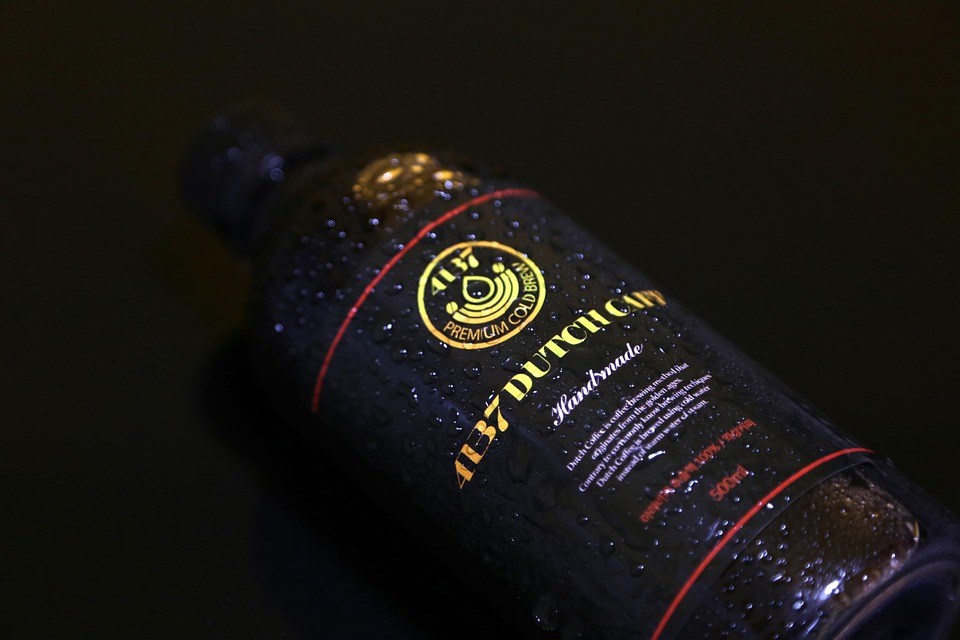
Cold brew coffee has surged in popularity over the past few years, and for good reason. It’s smooth, versatile, and an excellent way to enjoy coffee, especially in warm weather. Whether you’re a novice wanting to learn the basics or a veteran looking to refine your brewing technique, this guide provides everything you need to know about cold brew coffee.
What is Cold Brew Coffee?
Cold brew coffee is made by steeping coarsely ground coffee beans in cold water for an extended period, generally 12-24 hours. Unlike traditional iced coffee, which is brewed hot and then cooled, cold brew results in a unique flavor profile that is less acidic and often smoother than its counterparts.
How to Make Cold Brew Coffee
Ingredients Needed
- Coarsely ground coffee beans (1 cup)
- Cold or room temperature water (4 cups)
Equipment Needed
- A large jar or pitcher
- A fine mesh strainer or coffee filter
- A second pitcher or jar for storing the finished cold brew
Steps to Brew Cold Brew Coffee
- Combine coffee and water: In a large jar or pitcher, mix the coarsely ground coffee with cold water, ensuring all the coffee grounds are saturated.
- Steep: Cover the jar and let it sit at room temperature or in the fridge for 12 to 24 hours. The longer it steeps, the stronger the flavor will be.
- Strain: After steeping, strain the mixture through a fine mesh strainer or coffee filter to separate the coffee grounds from the liquid.
- Serve: Your cold brew concentrate is now ready! You can dilute it with water, milk, or a milk alternative to achieve your desired strength.
- Store: Keep any leftovers in the refrigerator for up to two weeks.
Why Choose Cold Brew Coffee?
There are several compelling reasons to choose cold brew coffee:
- Smoother Taste: The cold extraction process results in a less bitter flavor compared to hot brewed coffee.
- Lower Acidity: Cold brew coffee has significantly less acidity, making it gentler on the stomach.
- Versatile: Cold brew can be enjoyed black, with milk, or as a base for various coffee-based beverages and cocktails.
- Convenient: You can make large batches and store them in the fridge, allowing for easy access to a refreshing drink.
Cold Brew Coffee Recipes
Classic Iced Cold Brew
Simply dilute your cold brew concentrate with equal parts cold water or milk. Serve over ice for a classic refreshing drink.
Vanilla Cold Brew
Add a splash of vanilla syrup and a splash of cream to your cold brew for a sweet treat.
Cold Brew Tonic
Mix equal parts cold brew and tonic water, then serve over ice for a zingy, refreshing beverage.
Common Mistakes to Avoid
While making cold brew coffee is straightforward, some common pitfalls can lead to unsatisfactory results:
- Using Too Fine Grounds: Coarsely ground coffee is essential for preventing over-extraction and bitterness.
- Not Steeping Long Enough: Rushing the steeping process will result in a weak flavor. Aim for at least 12 hours.
- Using Hot Water: Hot water will alter the flavor profile and defeat the purpose of cold brew.
- Neglecting to Strain Properly: Ensure you meticulously strain your brew to avoid gritty coffee.
Conclusion
Cold brew coffee offers a refreshing and delicious alternative to your daily caffeine routine. With its smooth taste and low acidity, it’s a drink everyone can enjoy. By following the steps outlined in this guide, you can confidently make your own cold brew at home and explore various recipes to enhance your coffee experience. Whether you enjoy it black, sweetened, or blended, cold brew coffee is sure to become a staple in your kitchen.
FAQs
1. Can I use any coffee beans for cold brew?
Yes, you can use any type of coffee beans, but medium to dark roasts typically yield the best flavor.
2. How long can I store cold brew coffee?
Cold brew can be stored in the refrigerator for up to two weeks, but it’s best when consumed within the first week.
3. How strong is cold brew coffee compared to regular coffee?
Cold brew is usually more concentrated than regular brewed coffee, which means it’s often diluted with water or milk before serving.
4. Can I make cold brew without a special coffee maker?
Absolutely! You can make cold brew using a jar or pitcher, as outlined in the brewing steps above.
5. Is cold brew coffee healthier than regular coffee?
Cold brew is lower in acidity, making it easier on the stomach, but the health effects depend on individual tolerance and preparation methods.
[ad_2]
Stay Informed With the Latest & Most Important News
Previous Post
Next Post








Advertisement


Advertisement

-
 0112 Viral TikTok Desserts You Must Try at Home
 -
 027 Coffee Recipes Every Coffee Lover Needs to Try in 2025
 -
 037 Easy Homemade Coffee Drinks That Taste Better Than Starbucks
 -
 04Which Dessert Freezes the Best for Busy Weeks?
 -
 05What’s the Secret to Making the Creamiest Cheesecake Ever?
 -
 06No-Bake Desserts You Can Make in 10 Minutes or Less
 -
 07What Dessert Should You Bring to a Potluck? (Easy Answers!)