



Now Reading: The Ultimate Guide to Sourcing the Best Coffee Beans: From Farm to Cup
-
01
The Ultimate Guide to Sourcing the Best Coffee Beans: From Farm to Cup
The Ultimate Guide to Sourcing the Best Coffee Beans: From Farm to Cup

[ad_1]
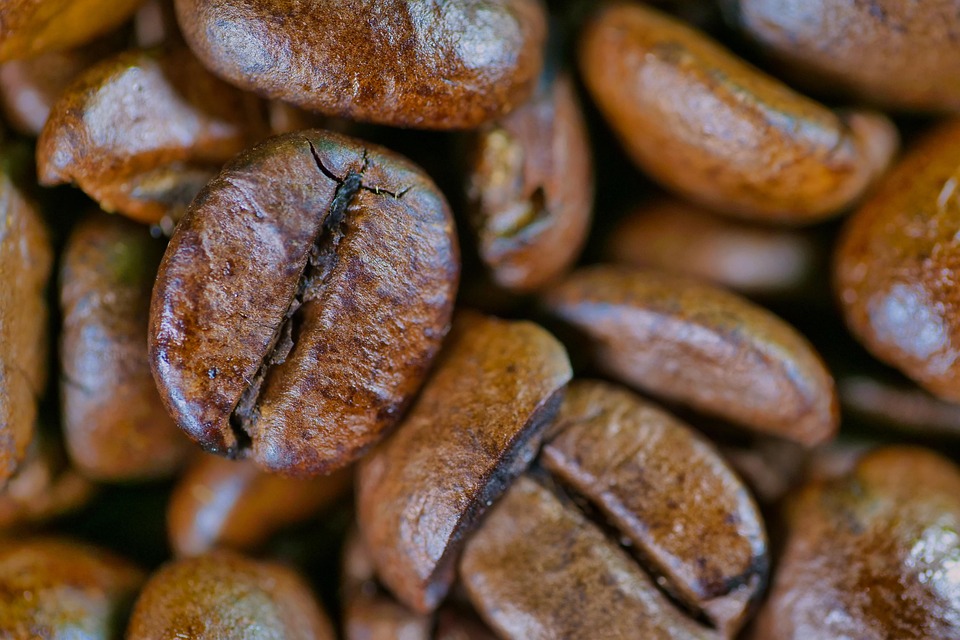
Coffee lovers know that the journey from bean to cup is multifaceted, involving numerous stakeholders—from farmers to roasters to baristas. In this ultimate guide, we will explore the intricate process of sourcing high-quality coffee beans, ensuring that you savor every sip of your favorite brew.
1. Understanding Coffee Types
The first step to sourcing the best coffee beans is to understand the two primary coffee species:
- Coffea Arabica: Known for its sweet and complex flavors, Arabica coffee accounts for about 60-75% of global production. It thrives at higher altitudes.
- Coffea Canephora (Robusta): Robust and earthy, Robusta coffee is often used in espresso blends and contains higher caffeine levels. It is easier to cultivate and resistant to pests.
2. The Coffee Growing Regions
Coffee is grown in a specific belt around the equator, called the “Coffee Belt,” which includes regions such as:
- Latin America: Known for bright and fruity flavors, particularly from Colombia and Brazil.
- Africa: Home to unique profiles, Ethiopian coffee is often floral and winey, while Kenyan coffee features a more pronounced acidity.
- Asia-Pacific: Indonesia and Vietnam produce earthy and bold flavors, with Sumatra coffee being well-known for its rich body.
3. Sustainable Sourcing Practices
When sourcing coffee beans, sustainability is paramount. Here are some practices to consider:
- Direct Trade: Buying directly from farmers ensures better prices for them and higher quality beans for buyers.
- Fair Trade: Participating in Fair Trade programs promotes ethical treatment and fair wages for coffee producers.
- Organic Certification: Choosing organic coffee ensures that the beans are grown without synthetic fertilizers or pesticides, benefiting both the environment and the farmer’s health.
4. Harvesting Techniques
The harvesting methods significantly influence the quality of coffee beans. They can be broadly categorized into:
- Selective Picking: The best method where only ripe coffee cherries are hand-picked, ensuring higher quality.
- Strip Picking: Harvesting all cherries from a branch, regardless of ripeness, often results in lower quality beans.
5. Processing Coffee Cherries
The processing method transforms coffee cherries into green coffee beans. There are two primary methods:
- Wet Processing: Removes the cherry’s outer layer and ferments the beans, enhancing flavors.
- Dry Processing: The cherries are sun-dried, which imparts a heavier body and sweetness.
6. The Importance of Roasting
Roasting is where the coffee’s flavor profile is developed. The choice of roast level—light, medium, or dark—can significantly affect the final beverage.
- Light Roasts: Retain most of the bean’s original flavor and acidity.
- Medium Roasts: Balance acidity and body, revealing sweetness and complexity.
- Dark Roasts: Prominent bitterness and boldness, often masking the original flavors of the bean.
7. Brewing Methods
The final step to enjoying your coffee is through brewing. Different methods extract flavors in varying ways:
- French Press: Full-bodied coffee with rich flavors due to sealed brewing.
- Pour-Over: Allows for precise control of brewing time and temperature.
- Espresso: Concentrated shots with a strong flavor profile; essential for lattes and cappuccinos.
Conclusion
Sourcing the best coffee beans is a journey that begins at the farm and extends all the way to your cup. Understanding types of coffee, sustainable practices, harvesting and processing methods, roasting intricacies, and brewing techniques enhances your appreciation for each sip. Whether you prefer a fruity Ethiopian brew or a bold Sumatran cup, knowing the story behind your coffee elevates your experience. Choose wisely, and savor the rich legacy of coffee.
FAQs
1. How can I tell if my coffee is high quality?
Look for single-origin coffee, specific flavor notes noted on the packaging, and freshness dates. Quality coffee should be aromatic and flavorful.
2. What does ‘organic’ coffee mean?
Organic coffee is grown without synthetic pesticides or fertilizers, promoting environmental health and sustainability.
3. Can coffee be sourced directly from farmers?
Yes, direct trade is an increasingly popular method where roasters build relationships with farmers to ensure fair prices and quality beans.
4. Why does the brewing method matter?
Different brewing methods extract flavors differently, affecting the overall taste and experience of the coffee. Choosing the right method is crucial for achieving your desired flavor profile.
5. What makes a coffee worth its price?
Factors like the origin, processing method, sustainability practices, and brand reputation contribute to a coffee’s price. High-quality, ethically sourced beans tend to be more expensive.
[ad_2]
Stay Informed With the Latest & Most Important News
Previous Post
Next Post







Advertisement


Advertisement

-
 0112 Viral TikTok Desserts You Must Try at Home
 -
 027 Coffee Recipes Every Coffee Lover Needs to Try in 2025
 -
 037 Easy Homemade Coffee Drinks That Taste Better Than Starbucks
 -
 04Which Dessert Freezes the Best for Busy Weeks?
 -
 05What’s the Secret to Making the Creamiest Cheesecake Ever?
 -
 06No-Bake Desserts You Can Make in 10 Minutes or Less
 -
 07What Dessert Should You Bring to a Potluck? (Easy Answers!)