



[ad_1]
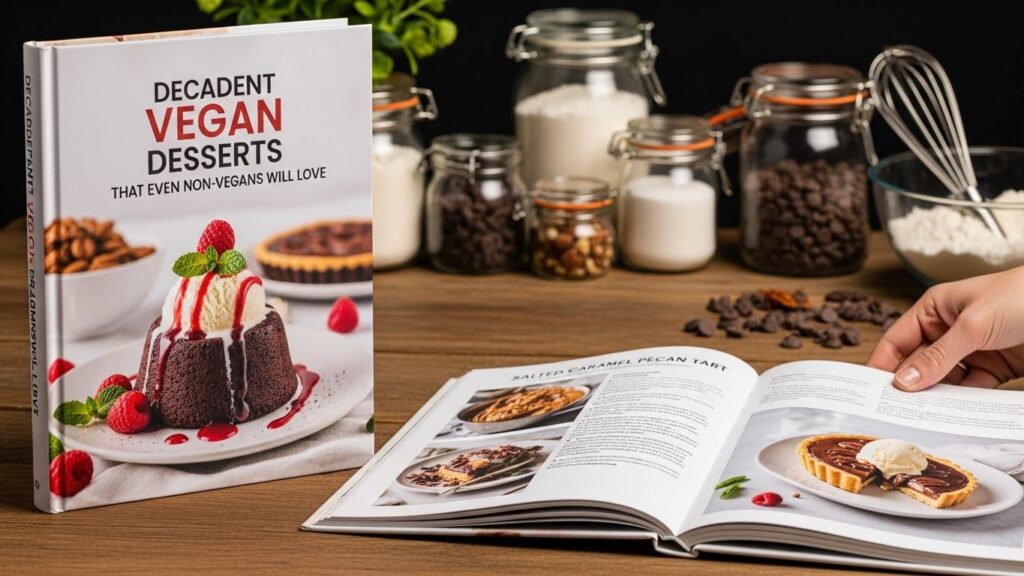
In recent years, vegan baking has gained immense popularity, allowing dessert lovers to indulge in sweet treats that are free from animal products. Whether you’re a seasoned baker or a beginner, this guide will equip you with the tips, tricks, and know-how to master vegan baking. From choosing the right ingredients to troubleshooting common baking issues, you’ll find everything you need to create perfect vegan desserts.
Why Choose Vegan Baking?
Before delving into the nuts and bolts of vegan baking, it’s essential to understand the reasons why people opt for vegan desserts:
- Health Benefits: Vegan desserts often contain less saturated fat and cholesterol, promoting better heart health.
- Ethical Reasons: Many choose veganism to promote animal welfare and avoid contributing to animal suffering.
- Environmental Impact: Plant-based diets generally have a lower carbon footprint compared to diets rich in animal products.
- Allergies and Intolerances: Vegan baking can accommodate those with lactose intolerance or egg allergies.
Key Ingredients in Vegan Baking
Vegan baking replaces traditional dairy and egg ingredients with plant-based alternatives. Here are some key components:
1. Egg Replacements
Eggs serve as binding agents in traditional baking. In vegan recipes, you can substitute eggs with ingredients like:
- Flaxseed Meal: Mix 1 tablespoon of flaxseed meal with 2.5 tablespoons of water for one egg equivalent. Let it sit for 5 minutes until it thickens.
- Chia Seeds: Similar to flaxseed, combine 1 tablespoon of chia seeds with 2.5 tablespoons of water.
- Applesauce: Use 1/4 cup of unsweetened applesauce in place of one egg for moisture and sweetness.
- Silken Tofu: Blend 1/4 cup of silken tofu to replace one egg. It adds moisture without altering flavor.
2. Dairy Substitutes
To replace dairy milk, cream, and butter, consider these alternatives:
- Plant Milks: Almond, soy, coconut, and oat milk are versatile choices. Opt for unsweetened varieties for more control over sweetness.
- Coconut Cream: Ideal for recipes requiring heavy cream, it adds richness and flavor.
- Vegan Butters: Vegan butter or margarine works well as a direct substitute for regular butter.
3. Sweeteners
Many traditional recipes use refined sugars, but vegan baking encourages the use of:
- Maple Syrup: Adds moisture and a distinct flavor while being a natural sweetener.
- Agave Nectar: A low-glycemic sweetener that can replace sugar in various recipes.
- Brown Sugar: Offers a deeper flavor and moistness thanks to its molasses content.
- Coconut Sugar: A natural sweetener with a caramel-like flavor that works well in desserts.
Essential Tips for Vegan Baking
1. Experiment with Flours
Not all flours are created equal. Understanding the purpose of different flours will help you choose the best one for your recipe. Common choices include:
- All-Purpose Flour: Great for general baking; a reliable option for cakes and cookies.
- Whole Wheat Flour: Adds fiber and nutrients but can dry out baked goods if used excessively.
- Almond Flour: A gluten-free option that adds moisture and a nutty flavor.
- Coconut Flour: Highly absorbent and best used in combination with other flours.
2. Be Mindful of Baking Times and Temperatures
Vegan baking often requires different baking times and temperatures compared to traditional baking. Keep the following in mind:
- Check for doneness a few minutes earlier than the recipe suggests.
- Use the toothpick test: If it comes out clean, your baked good is ready.
- Keep an eye on color; vegan desserts may brown differently than those made with eggs and dairy.
3. Don’t Skip on Flavor
Vegan desserts can sometimes lack the depth of flavor found in traditional recipes. Here are some tips:
- Extracts: Use vanilla, almond, or citrus extracts to enhance sweetness and flavor.
- Spices: Cinnamon, nutmeg, and cardamom can elevate the taste profile of many desserts.
- Fruits: Fresh fruits or fruit purees can add both sweetness and moisture.
Troubleshooting Common Vegan Baking Issues
1. Dense Cakes
If your cake turns out dense, consider the following:
- Ensure you’re measuring flour accurately (spoon and level, don’t scoop).
- Check your leavening agents; expired baking soda or powder can impact rise.
2. Gummy Cookies
Gummy or overly moist cookies can result from:
- Too much liquid in your recipe. Adjust your wet ingredients accordingly.
- Not chilling the dough before baking can also lead to spreading and a gummy texture.
3. Crumbly or Dry Baked Goods
To avoid dry desserts:
- Ensure you’re using enough fat, particularly in recipes that rely heavily on moisture.
- Add a liquid sweetener like maple syrup, which can enhance moistness.
Dessert Ideas to Get Started
Now that you’re equipped with the essential tips, here are a few delicious vegan dessert ideas to inspire your baking adventures:
1. Vegan Chocolate Cake
A classic chocolate cake made with almond milk, cocoa powder, and flaxseed meal as an egg replacement. Add some vegan chocolate chips for extra richness.
2. Coconut Macaroons
These delightful cookies can be made with shredded coconut, almond flour, and aquafaba (the liquid from a can of chickpeas) to create fluffy meringue.
3. No-Bake Vegan Cheesecake
Using blended cashews, coconut cream, and agave syrup, you can create a rich cheesecake base without any baking required. Top with fresh berries for a refreshing twist.
Conclusion
Vegan baking may seem daunting at first, but with the right ingredients and techniques, you can create delightful desserts that everyone can enjoy. Always remember to experiment and adapt recipes to find what works best for you. By following the tips outlined in this guide, you’ll be well on your way to mastering vegan baking and impressing friends and family with delicious plant-based treats.
[ad_2]