


Now Reading: Unraveling the Journey: Understanding Single Origin Coffee
-
01
Unraveling the Journey: Understanding Single Origin Coffee
Unraveling the Journey: Understanding Single Origin Coffee

[ad_1]
Coffee is not just a drink; it is an experience, a ritual, and for many, an integral part of daily life. With the growing appreciation for quality coffee, single origin coffee has carved a niche among coffee enthusiasts. But what is single origin coffee, and why has it gained such popularity? In this article, we will explore the journey of single origin coffee from its roots to your cup.
What is Single Origin Coffee?
Single origin coffee refers to coffee that is sourced from one specific location, whether that be a country, region, or even a single farm. This specific sourcing allows consumers to identify and appreciate unique flavor profiles that are influenced by the local climate, altitude, and soil. Understanding single origin coffee requires looking at several aspects.
The Importance of Terroir
Terroir is a French term that denotes the environmental factors associated with a particular place, including soil, climate, and geography. Each coffee-growing region has its unique terroir that influences the beans’ flavor. For instance, Ethiopian coffee tends to exhibit fruity and floral notes, while Brazilian coffee might present nutty and chocolatey flavors. This uniqueness is what makes single origin coffee so intriguing.
The Journey from Farm to Cup
Harvesting
The journey of single origin coffee begins on the farm. Coffee cherries are hand-picked when they are ripe to ensure optimal flavor. Typically, only the red cherries are selected, leaving green ones to ripen further.
Processing
Once harvested, the coffee cherries undergo a processing method to extract the beans. There are two primary methods: washed and natural. The washed method removes the cherry’s outer fruit before fermentation, leading to a cleaner, brighter flavor. In contrast, the natural method dries the cherries with the beans inside, resulting in a full-bodied, fruity flavor.
Drying and Milling
After processing, beans must be dried to a specific moisture level before milling. Milling removes the parchment layer surrounding the beans and prepares them for export. This stage significantly impacts the final taste of the coffee.
Roasting
Once the beans arrive at their destination, roasting occurs. Roasting transforms the green beans into the aromatic coffee we know. The roast level can profoundly impact flavor; light roasts maintain the most direct expressions of the bean’s origin, while darker roasts amplify different flavor notes. Enthusiasts often prefer light to medium roasts for single origin coffees to fully appreciate terroir.
The Growing Popularity of Single Origin Coffee
In the past decade, the specialty coffee movement has surged, with consumers becoming more discerning about their coffee choices. Single origin coffee emphasizes quality over quantity and allows consumers to explore the diverse flavors and aromas unique to different regions. Moreover, many prefer the transparency and traceability associated with single origin sourcing, fostering a deeper connection with their coffee.
Brewing Single Origin Coffee
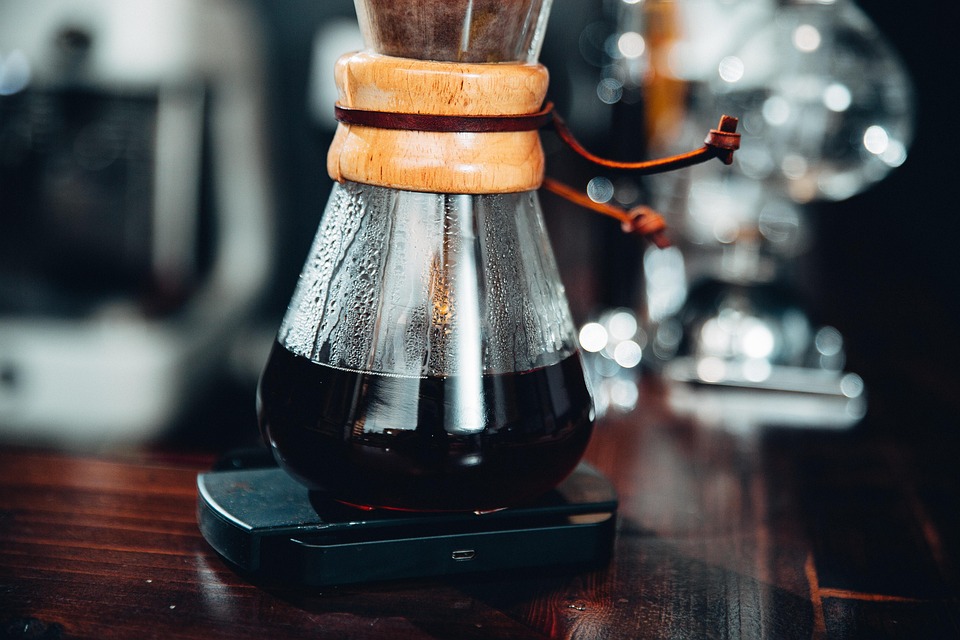
Brewing methods can affect how single origin coffee’s unique characteristics are expressed. Popular methods include pour-over, French press, and espresso. Each technique highlights different aspects of the coffee, making it important to experiment to find the best match for each origin.
Conclusion
Single origin coffee is more than just a beverage; it represents a journey—a story that starts at the farm and ends in your cup. By appreciating single origin coffees, you support sustainable practices and help farmers receive fair compensation for their hard work. With each sip, you can enjoy the unique flavors and aromas that tell a story of their origin. So, the next time you indulge in a cup of single origin coffee, take a moment to celebrate the journey it took to reach you.
FAQs about Single Origin Coffee
1. What is the difference between single origin coffee and blended coffee?
Single origin coffee comes from one specific location, providing unique flavor profiles, while blended coffee combines beans from multiple locations to achieve a consistent flavor.
2. Are single origin coffees more expensive?
Yes, single origin coffees often cost more due to their specific sourcing, unique flavor profiles, and often higher quality standards.
3. How can I tell if my coffee is single origin?
Look for labels that specify the origin or region. Specialty coffee shops usually provide this information.
4. Can single origin coffee be dark roasted?
Absolutely! However, darker roasts can mask some of the distinct flavor notes that make single origin coffees special. Light to medium roasts are usually recommended for optimal flavor appreciation.
5. Why is terroir important for coffee?
Terroir defines the unique qualities that environment imparts to the coffee beans, influencing their flavor and aroma. It helps in appreciating the distinct characteristics of coffees from different regions.
[ad_2]
Stay Informed With the Latest & Most Important News
Previous Post
Next Post








Advertisement


Advertisement

-
 0112 Viral TikTok Desserts You Must Try at Home
 -
 027 Coffee Recipes Every Coffee Lover Needs to Try in 2025
 -
 037 Easy Homemade Coffee Drinks That Taste Better Than Starbucks
 -
 04Which Dessert Freezes the Best for Busy Weeks?
 -
 05What’s the Secret to Making the Creamiest Cheesecake Ever?
 -
 06No-Bake Desserts You Can Make in 10 Minutes or Less
 -
 07What Dessert Should You Bring to a Potluck? (Easy Answers!)