


Now Reading: Which Fruit Dessert Is the Healthiest (But Still Tastes Amazing)?
-
01
Which Fruit Dessert Is the Healthiest (But Still Tastes Amazing)?

I love dessert. I always have. But I also care about how food makes my body feel after I eat it. For a long time, I thought dessert and health could not exist together. Cakes felt heavy. Pastries caused energy crashes. Ice cream tasted great, but it never loved me back.
Then I started testing fruit desserts.
I wanted to answer one clear question: Which fruit dessert is the healthiest (but still tastes amazing)?
Not boring. Not bland. Not “healthy” in a sad way. I wanted something sweet, satisfying, and good for my body.
After years of making, tasting, and comparing fruit-based desserts, I found clear patterns. Some fruit desserts support digestion. Some help skin health. Some balance blood sugar better than others. And some just taste incredible while doing all of that.
This article breaks it all down in a simple, honest way.
What Makes a Fruit Dessert Truly Healthy?
Before I choose the healthiest option, I need clear rules.
A healthy fruit dessert should:
- Use whole fruit, not fruit flavor
- Keep natural fiber intact
- Avoid refined sugar
- Avoid heavy processing
- Support digestion
- Taste good without tricks
If a dessert spikes blood sugar, causes bloating, or leads to cravings, I don’t consider it healthy—even if it uses fruit.
Taste matters. Satisfaction matters. Feeling good after eating matters.
Why Fruit Works So Well in Desserts
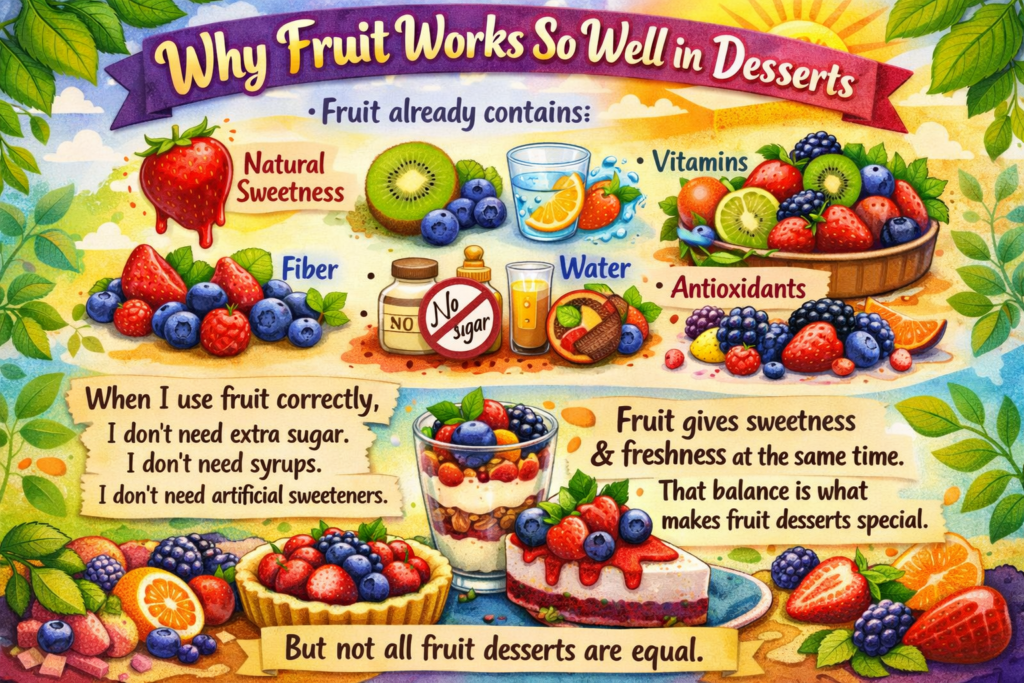
Fruit already contains:
- Natural sweetness
- Fiber
- Water
- Vitamins
- Antioxidants
When I use fruit correctly, I don’t need extra sugar. I don’t need syrups. I don’t need artificial sweeteners.
Fruit gives sweetness and freshness at the same time. That balance is what makes fruit desserts special.
But not all fruit desserts are equal.
Popular Fruit Desserts Ranked by Health Value
I tested many fruit desserts. Here is how they compare.
1. Fruit Salad
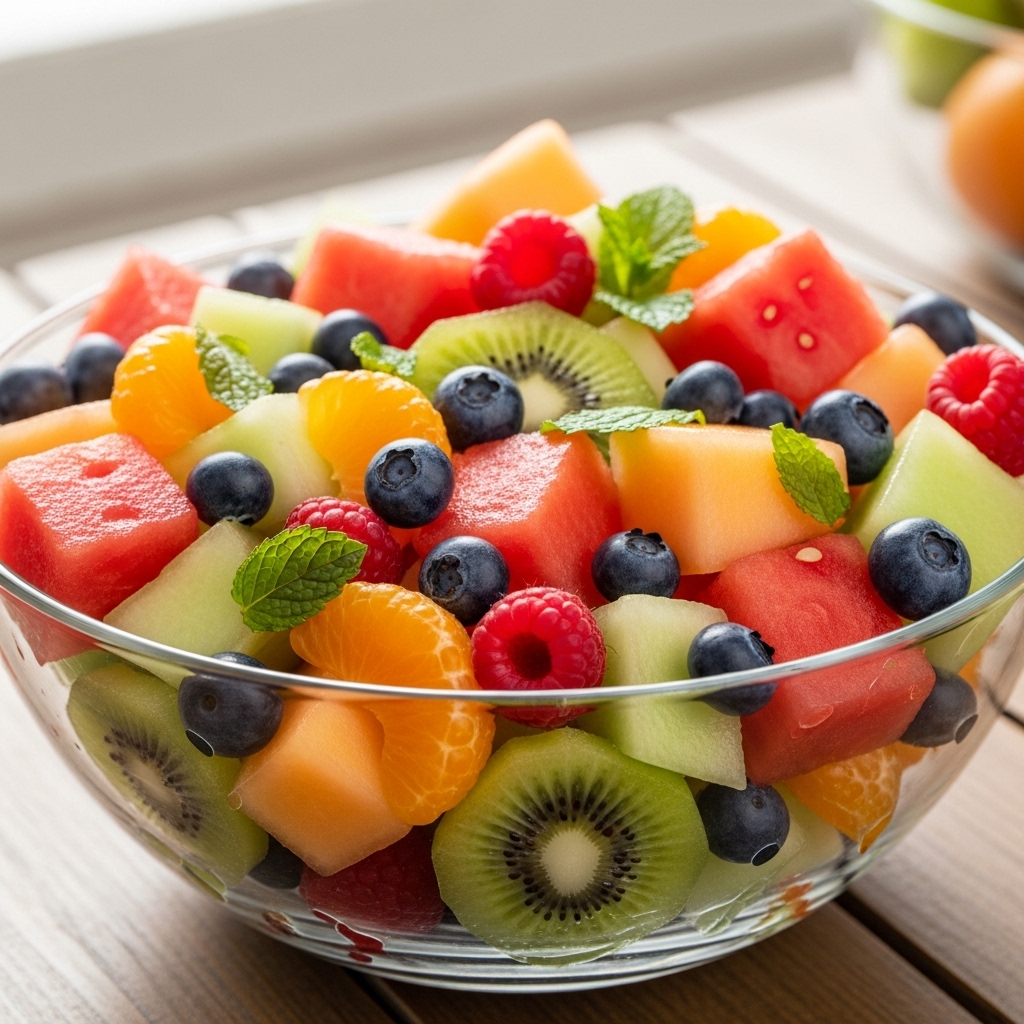
Fruit salad sounds healthy, but it has problems.
Pros:
- Uses whole fruit
- High fiber
- Hydrating
Cons:
- Often boring
- Can spike blood sugar if poorly balanced
- Not always satisfying
Fruit salad works best when paired with protein or healthy fat. On its own, it rarely feels like a real dessert.
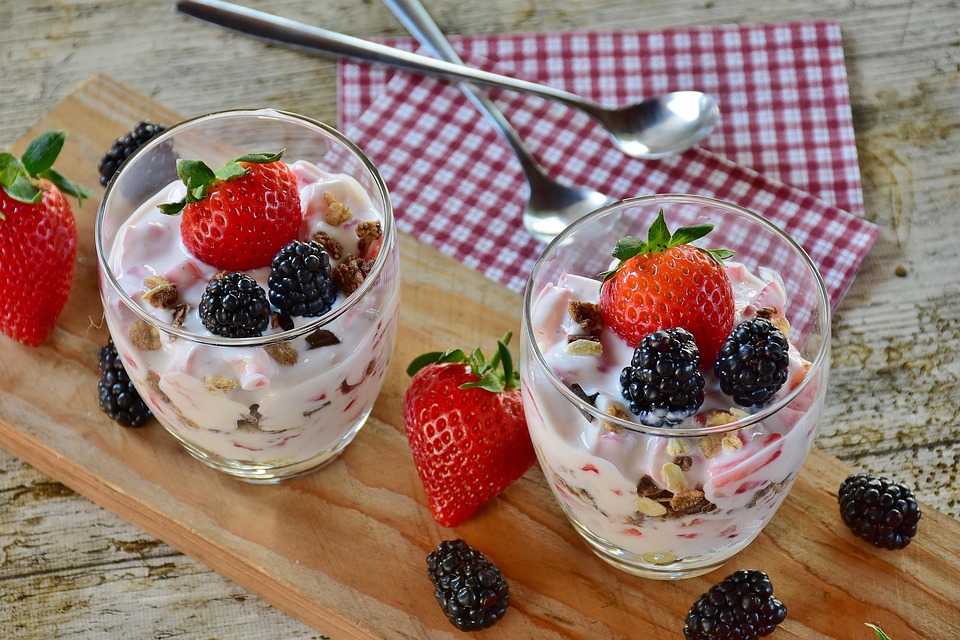
2. Fruit Yogurt Parfait
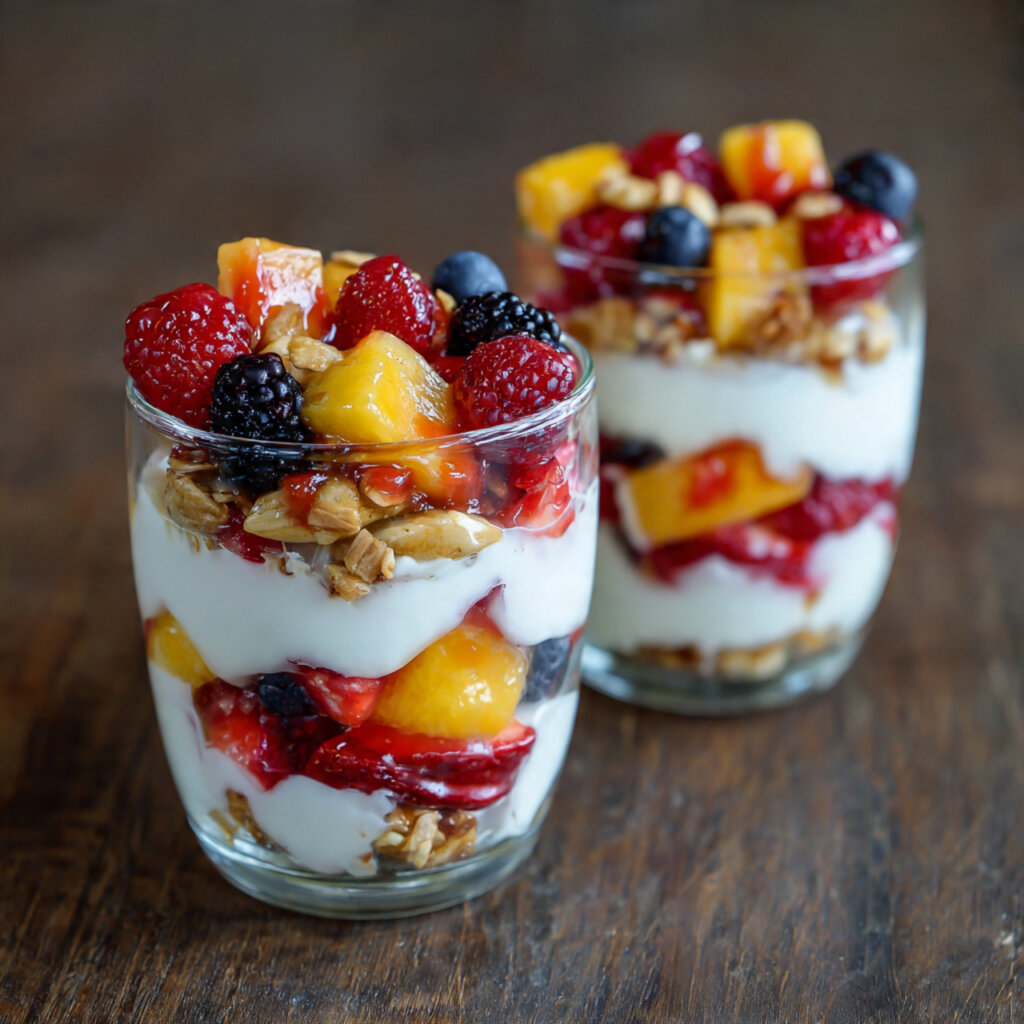
This option feels more balanced.
Pros:
- Protein from yogurt
- Fiber from fruit
- Creamy texture
Cons:
- Many versions use sweetened yogurt
- Granola often adds sugar
When I use plain yogurt and fresh fruit, this dessert becomes strong. It fills me up and tastes rich without heaviness.
3. Baked Fruit (Apples, Pears, Peaches)
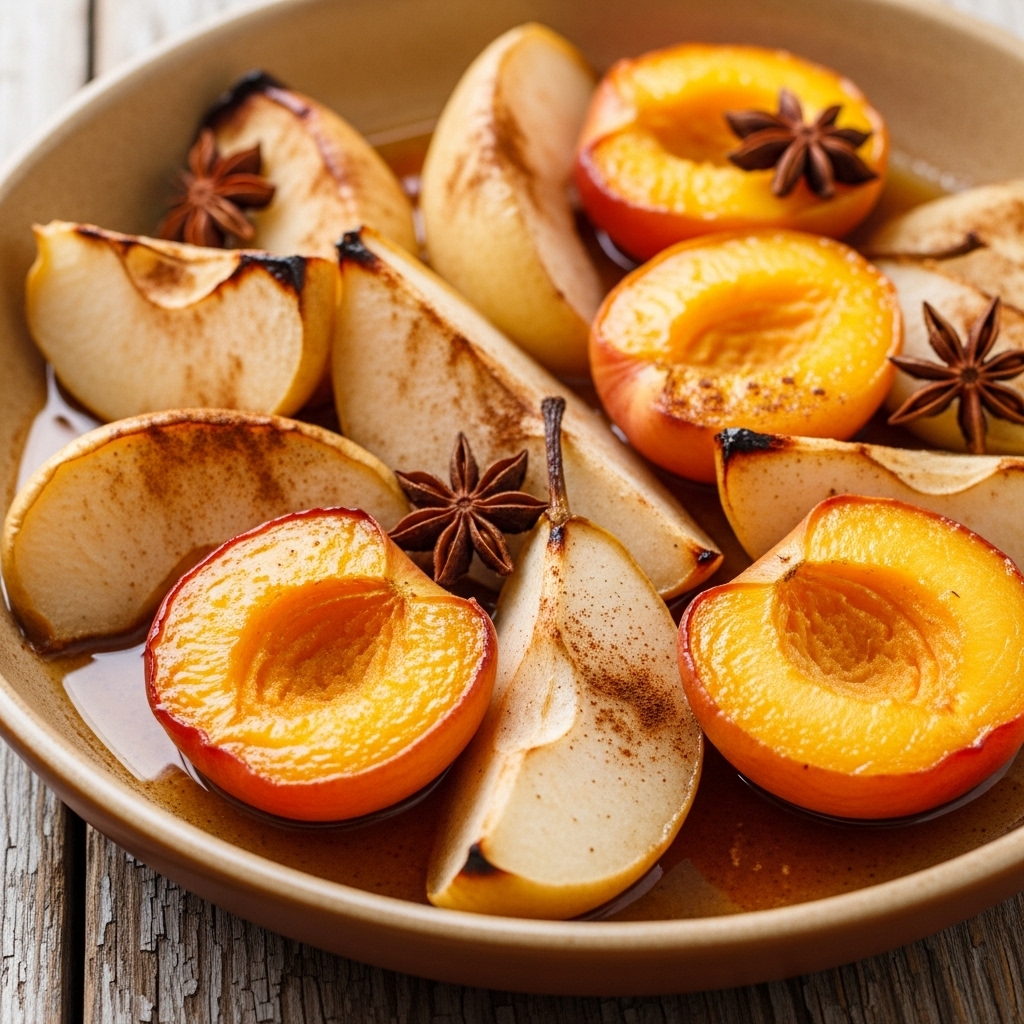
Baked fruit surprised me.
Pros:
- Warm and comforting
- Natural sugars caramelize
- No added sugar needed
Cons:
- Loses some vitamin C
- Needs portion control
Baked apples with cinnamon taste like pie without the crust. This dessert feels indulgent and gentle at the same time.
4. Fruit Sorbet
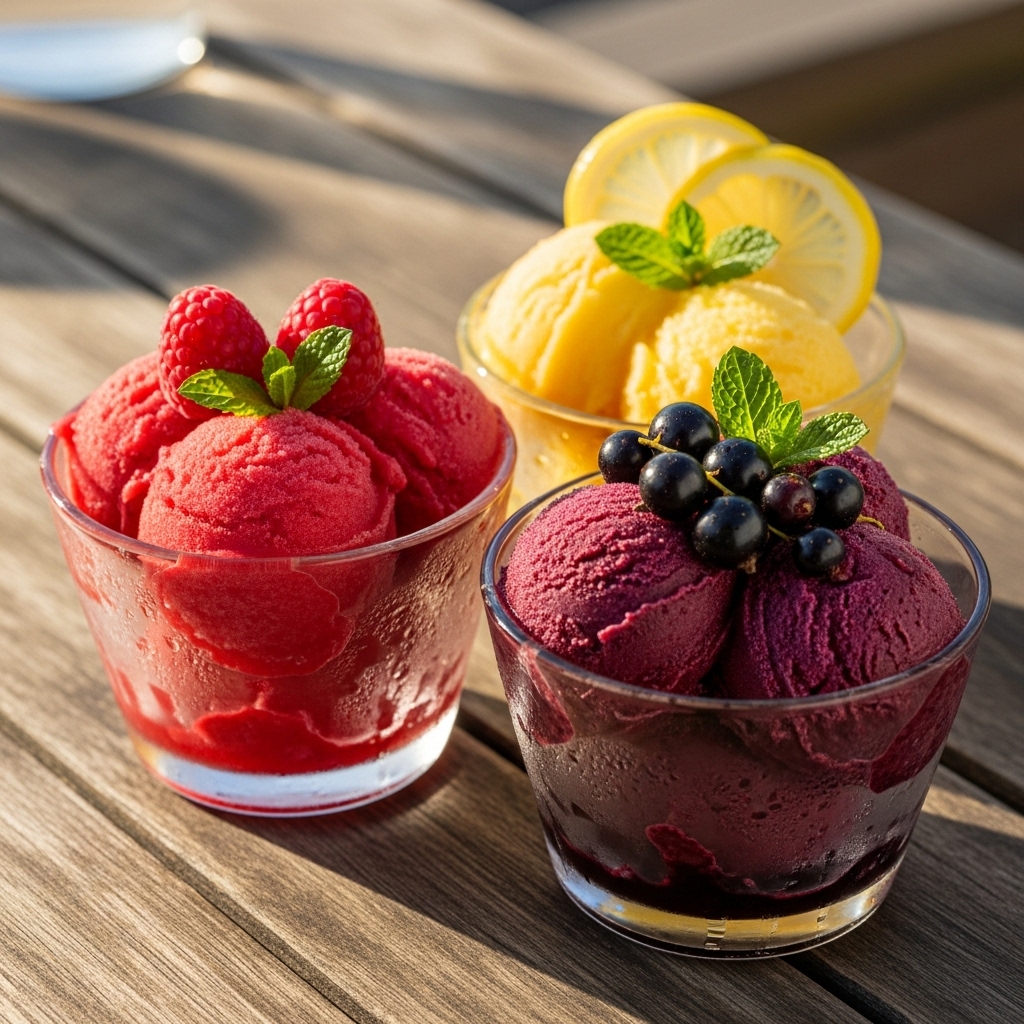
Sorbet sits in the middle.
Pros:
- Refreshing
- Dairy-free
- Strong fruit flavor
Cons:
- Often high in added sugar
- Low fiber
Homemade sorbet using frozen fruit works much better than store versions.
5. Fruit Smoothie Desserts
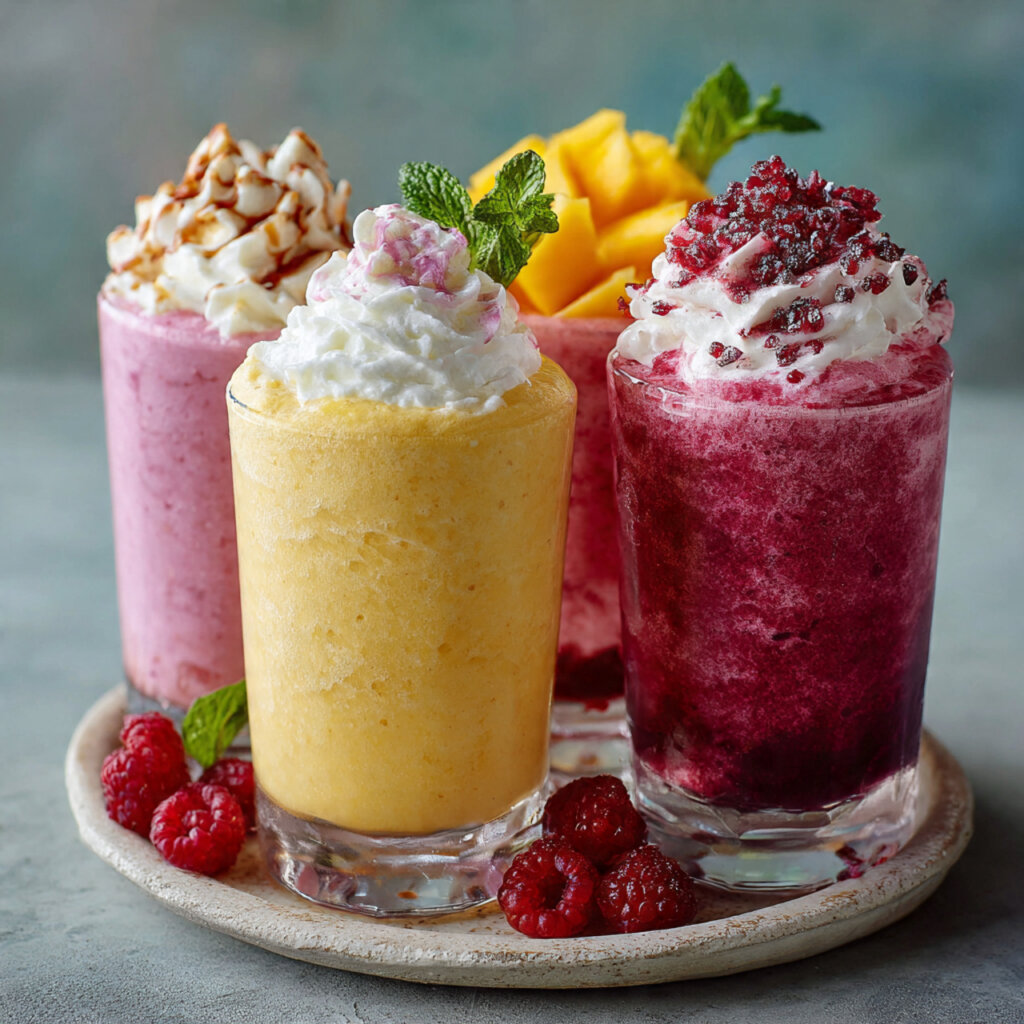
This is where things change.
When done right, smoothies offer:
- Whole fruit
- Fiber
- Hydration
- Creamy texture
- Custom sweetness
But smoothies only work when they avoid juice and syrups.
So, Which Fruit Dessert Is the Healthiest (But Still Tastes Amazing)?
After testing everything, I found my answer.
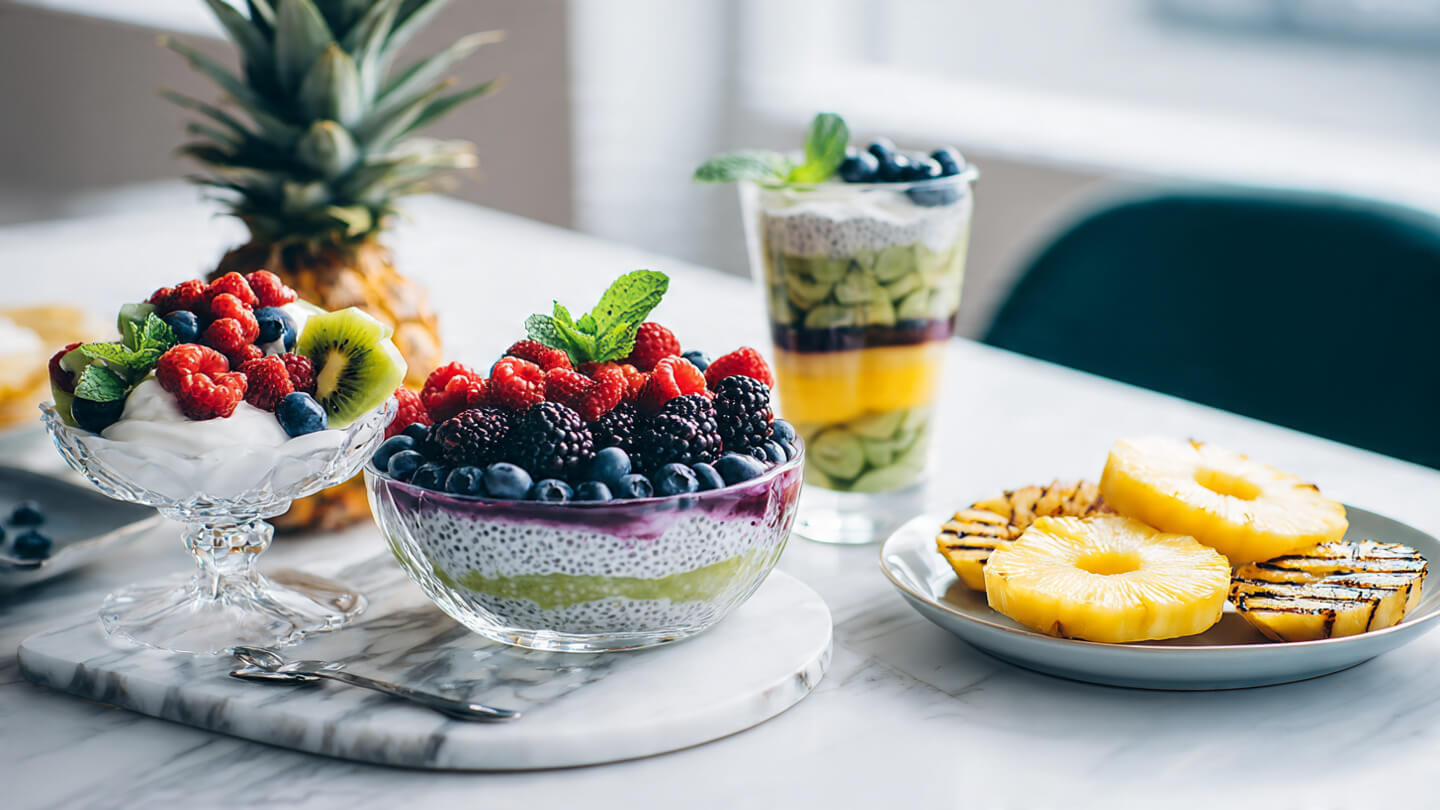
The healthiest fruit dessert that still tastes amazing is a thick fruit smoothie bowl made with whole fruit and healthy fats.
This option wins for one reason: balance.
It combines sweetness, creaminess, fiber, and satisfaction in one bowl.
Why Smoothie Bowls Beat Other Fruit Desserts
Smoothie bowls give me:
- Dessert-level flavor
- Breakfast-level nutrition
- Snack-level convenience
They slow digestion. They keep blood sugar stable. They feel indulgent without heaviness.
Unlike fruit salad, they feel complete.
Unlike baked fruit, they stay fresh.
Unlike sorbet, they keep fiber intact.
The Healthiest Fruit Combination for Dessert Smoothies
I tested many fruits. These work best together:
Berries
- Low sugar
- High antioxidants
- Strong flavor
Banana (small amount)
- Natural sweetness
- Creamy texture
Mango or Pineapple (optional)
- Bright flavor
- Small portions work best
Avocado or Nut Butter
- Healthy fats
- Slower sugar absorption
Chia Seeds or Flaxseed
- Fiber
- Omega fats
This combination keeps the dessert sweet, thick, and satisfying.
Simple Recipe: The Healthiest Fruit Dessert Smoothie Bowl
This is my go-to.
Ingredients
- 1 cup frozen mixed berries
- ½ frozen banana
- ¼ avocado
- 1 tablespoon chia seeds
- ½ cup unsweetened almond milk
Steps
- Add all ingredients to a blender
- Blend until thick and smooth
- Pour into a bowl
- Top with sliced fruit or nuts
The result tastes like ice cream but feels light.
Why This Dessert Supports the Body
This dessert helps because:
- Fiber slows sugar release
- Fats increase fullness
- Antioxidants protect cells
- Hydration supports skin
- Natural sweetness reduces cravings
I feel satisfied, not stuffed.
What About Fruit Desserts and Weight Control?
Healthy fruit desserts should reduce cravings, not create them.
Smoothie bowls work because they:
- Prevent sugar crashes
- Keep hunger stable
- Reduce late-night snacking
Portion size still matters. Balance matters more.
Fruit Desserts and Skin Health
Download the infographic below for future use
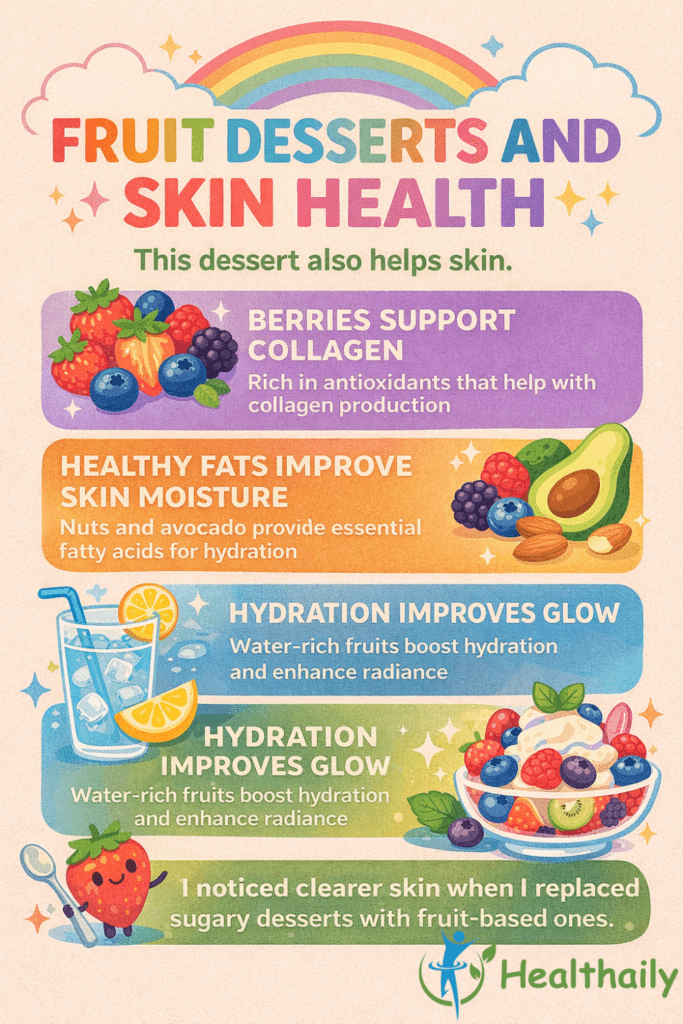
This dessert also helps skin.
Berries support collagen.
Healthy fats improve skin moisture.
Hydration improves glow.
I noticed clearer skin when I replaced sugary desserts with fruit-based ones.
Common Mistakes That Ruin Healthy Fruit Desserts
I avoid these:
- Adding fruit juice
- Using sweetened yogurt
- Adding syrups or honey
- Using large banana portions
- Skipping fats
Each mistake spikes sugar and reduces balance.
Can Fruit Desserts Replace Traditional Desserts?
Yes, but only if they feel satisfying.
The reason smoothie bowls work is texture. Creaminess matters. Crunch matters. Temperature matters.
Cold, thick, creamy desserts feel indulgent. That matters for long-term habits.
How Often I Eat Fruit Desserts
I eat them:
- After dinner
- As an afternoon snack
- As a weekend treat
I don’t eat them mindlessly. I enjoy them slowly.
Final Answer: Which Fruit Dessert Is the Healthiest (But Still Tastes Amazing)?
After all testing, my answer stays clear.
A balanced fruit smoothie bowl made with whole fruit, fiber, and healthy fats is the healthiest fruit dessert that still tastes amazing.
It supports digestion.
It controls sugar spikes.
It satisfies cravings.
It feels indulgent.
Most importantly, it makes healthy eating feel enjoyable—not restrictive.
People also ask
1. What is the healthiest fruit dessert for weight loss?
The healthiest fruit dessert for weight loss is a smoothie bowl made with whole fruits, fiber, and healthy fats. It keeps blood sugar steady and reduces cravings.
2. Are fruit desserts better than regular desserts?
Fruit desserts are better because they contain natural sugar, fiber, and nutrients. Regular desserts often use refined sugar and processed ingredients.
3. Can I eat fruit dessert every day?
Yes, you can eat fruit dessert daily if you control portions and avoid added sugar. Whole fruits with healthy fats work best.
4. Do fruit desserts spike blood sugar?
Fruit desserts can spike blood sugar if they include juice or syrups. Whole fruit with fiber and fat slows sugar absorption.
5. What fruit is best for a healthy dessert?
Berries are the best fruit for a healthy dessert. They are low in sugar and high in antioxidants.
Related Posts


Stay Informed With the Latest & Most Important News
Previous Post
Next Post







Advertisement


Advertisement

-
 0112 Viral TikTok Desserts You Must Try at Home
 -
 027 Coffee Recipes Every Coffee Lover Needs to Try in 2025
 -
 037 Easy Homemade Coffee Drinks That Taste Better Than Starbucks
 -
 04Which Dessert Freezes the Best for Busy Weeks?
 -
 05What’s the Secret to Making the Creamiest Cheesecake Ever?
 -
 06No-Bake Desserts You Can Make in 10 Minutes or Less
 -
 07What Dessert Should You Bring to a Potluck? (Easy Answers!)